
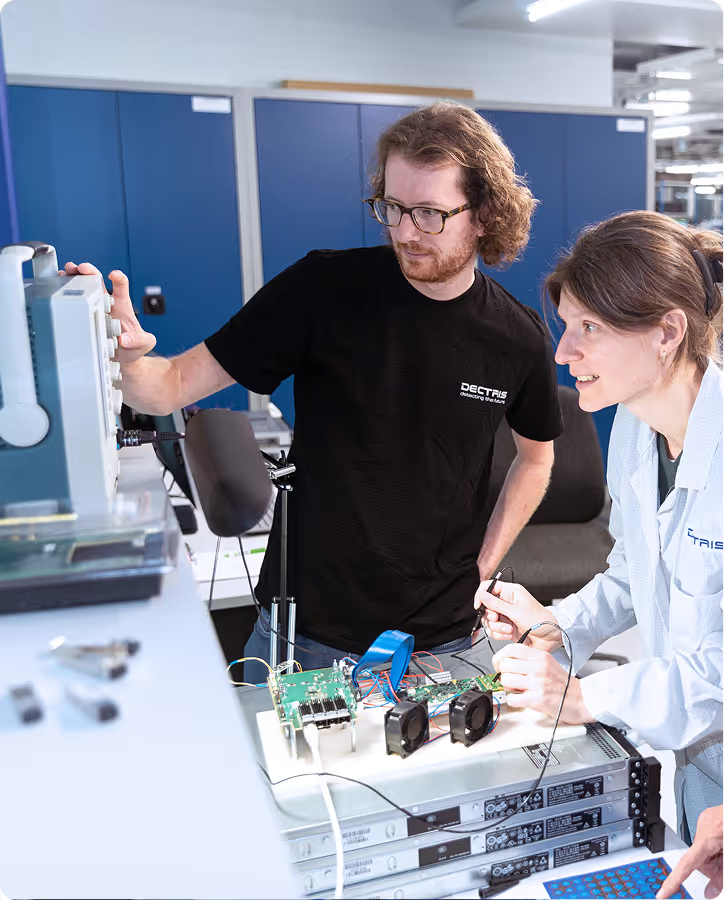
Since 2006, DECTRIS has worked alongside scientists, engineers, and industry to push the boundaries of measurement and insight across research and technology.
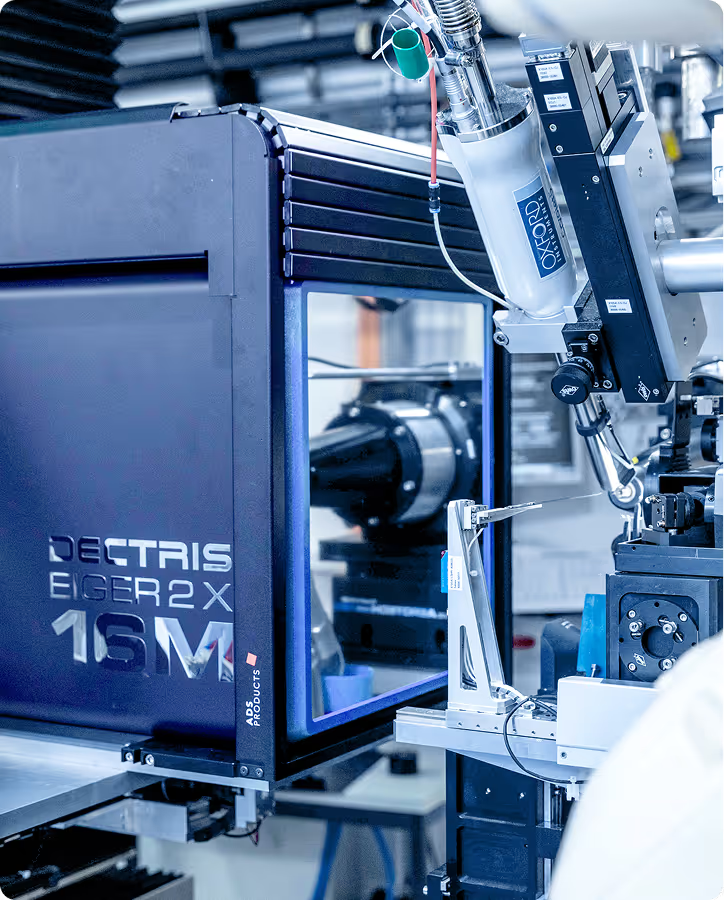
What started as a spin-off from the Paul Scherrer Institute grew into the company behind the world's most sensitive X-ray and electron detectors – instruments precise enough to reveal what was previously invisible. Today, DECTRIS also offers a data management and analytics platform that makes it even faster to turn raw detector data into meaningful results in life sciences, materials science, and energy research.
From Fingernail-Sized Prototypes to Global Science:
20 Years of DECTRIS Through the Eyes of Our Founder
When DECTRIS was founded in 2006, replacing traditional CCD detectors and film with Hybrid Photon Counting (HPC) pixel sensors seemed almost impossible. Today, DECTRIS technology powers groundbreaking research across synchrotrons, electron microscopes, and industrial laboratories worldwide, delivering instruments precise enough to reveal what was previously invisible.
To mark our 20th anniversary, founder Christian Brönnimann sat down to reflect on the early risks, debugged cleanrooms, and technology breakthroughs that transformed a small academic spin-off into a trusted partner for cutting-edge research and innovation.


Enabled Breakthroughs
Scientists around the world have solved more than 75’000 macromolecular structures using data from DECTRIS detectors. Pick almost any disease or process in the body, and you'll likely find a small piece our detectors helped scientists explain better. And that's just one field: wherever precise measurement pushes science forward, you might find DECTRIS technology as part of the bigger story.
Magnon detection in electron microscopy
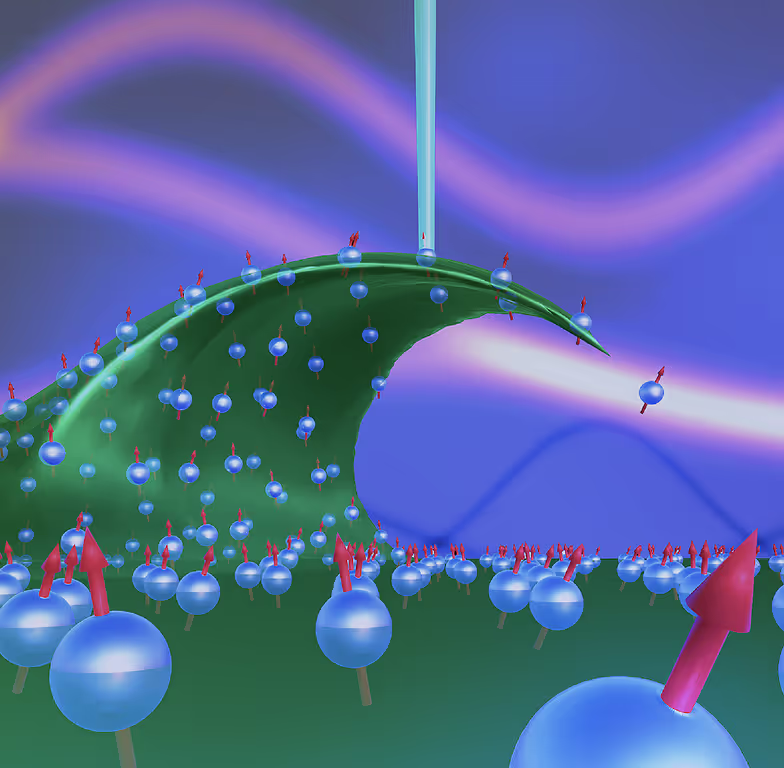
In 2025, researchers at SuperSTEM and the University of Leeds used a DECTRIS ELA detector to detect magnons, weak magnetic excitations that were considered nearly impossible to isolate, with nanometer resolution. This unprecedented sensitivity opens new routes towards a further miniaturization of transistors by means of novel technologies such as spintronics.
Building longer-lasting batteries
A team from NREL, University College London, the ESRF, and Finden Ltd. set out to see why lithium-ion batteries lose capacity as they age. At the ESRF's ID15A beamline in France, they used a DECTRIS PILATUS3 X CdTe detector to map the inside of a battery electrode in 3D, at the atomic scale. As the cell aged over 150 charge cycles, they could track how the crystal structure changed within individual particles. Understanding degradation at this level is a step toward batteries that last longer and store more energy.
Read More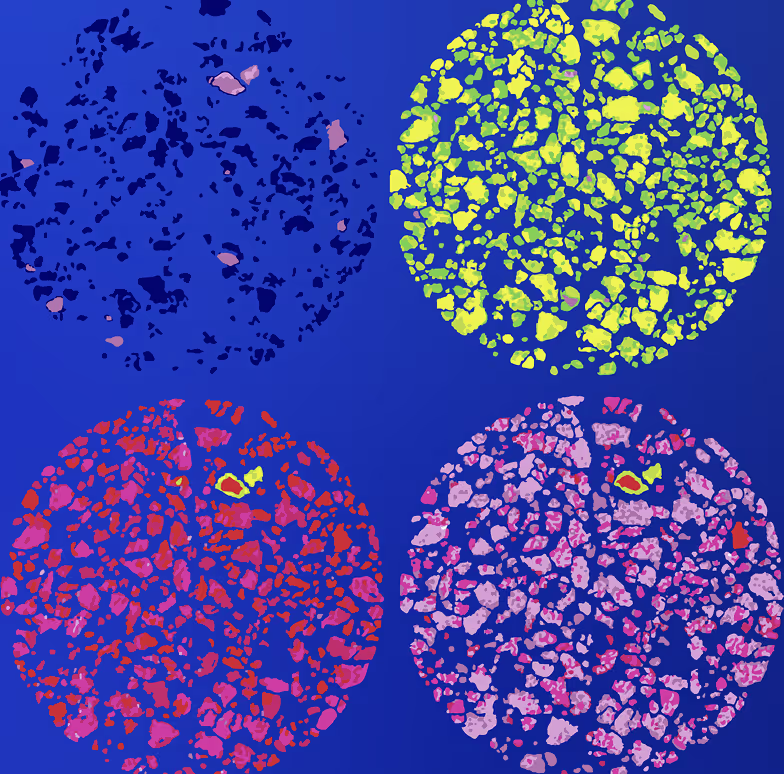
AlphaFold winning a Nobel Prize
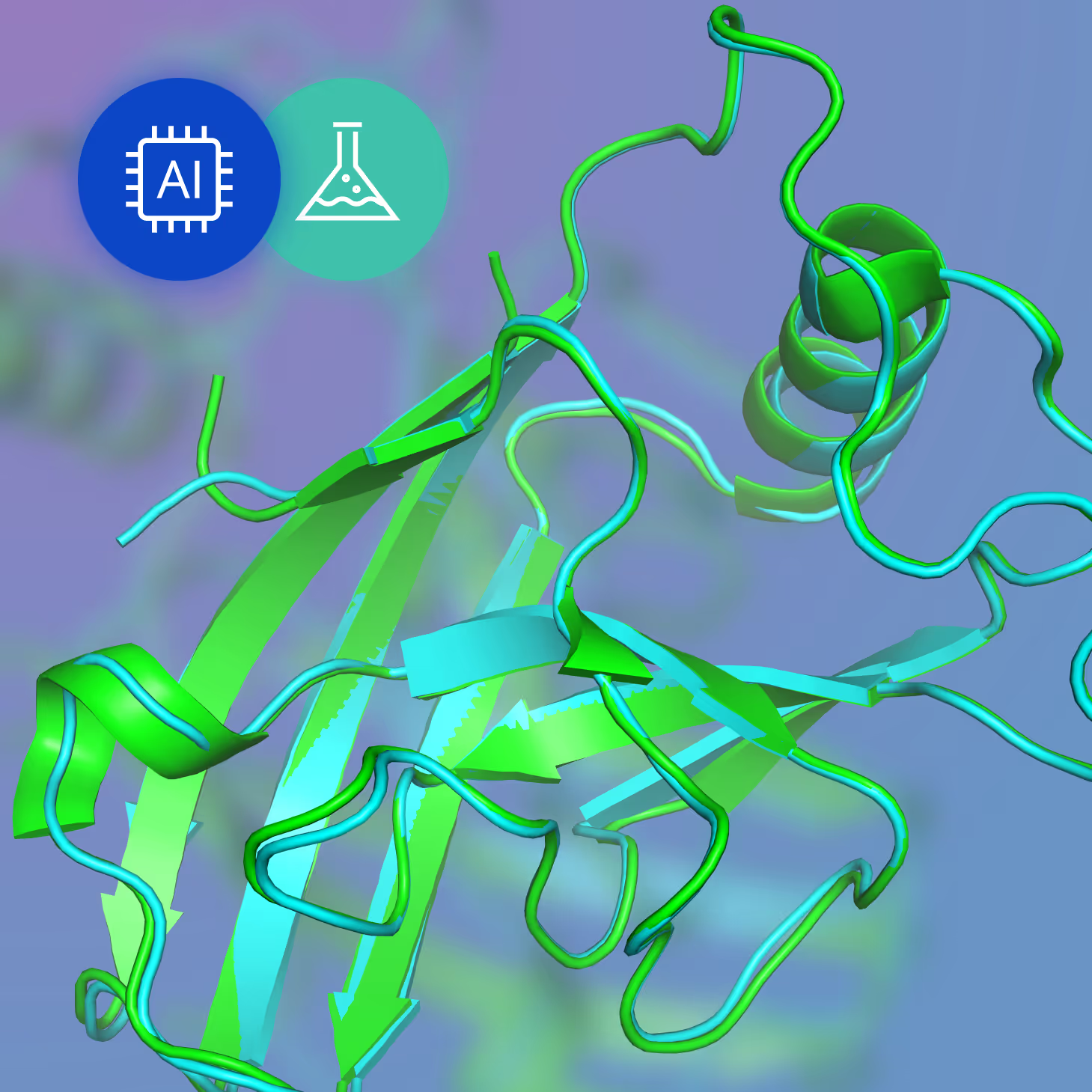
DECTRIS detectors have been used to solve almost 30% of all the entries in the Protein Data Bank throughout its history, and around 80% of the structures added in the past two decades. This data also served as training input for DeepMind's AlphaFold, work that earned Demis Hassabis and John Jumper half of the 2024 Nobel Prize in Chemistry. Today, DECTRIS detectors remain essential for structural biology, drug development, and validating AI prediction .
AI-driven real-time ptychography
In collaboration with NVIDIA, PSI, and DLS, we enabled real-time processing of beamline data even with our fastest detector, the DECTRIS SELUN. With the data pipeline no longer the bottleneck, scientists can adjust experiments on the fly to take better data – and the AI component opens the door to fully autonomous experiments.

Clean energy from plasma fusion
Princeton Plasma Physics Laboratory has collaborated with DECTRIS since 2007. In 2024, PPPL scientists working at the WEST tokamak in France – using a custom PILATUS3 detector as part of their diagnostic setup – helped achieve a new record: sustaining a plasma at 50 million degrees Celsius for six minutes. This milestone brings us one step closer to clean, safe, and abundant fusion power.

Fighting COVID-19
DECTRIS detectors, especially EIGER and PILATUS, were essential tools in the global response to COVID-19. By 2023, 57% of COVID-19-related macromolecular structures had been solved using DECTRIS detectors. This structural data revealed how the virus enters cells, how it replicates, and how to stop it. At DESY, a PILATUS3-equipped beamline screened 6,000 drug compounds against the coronavirus main protease – the same target that oral antivirals like Paxlovid were designed to block. DECTRIS-determined structures also supported Pfizer-BioNTech mRNA vaccine development.
Plastic-eating enzymes
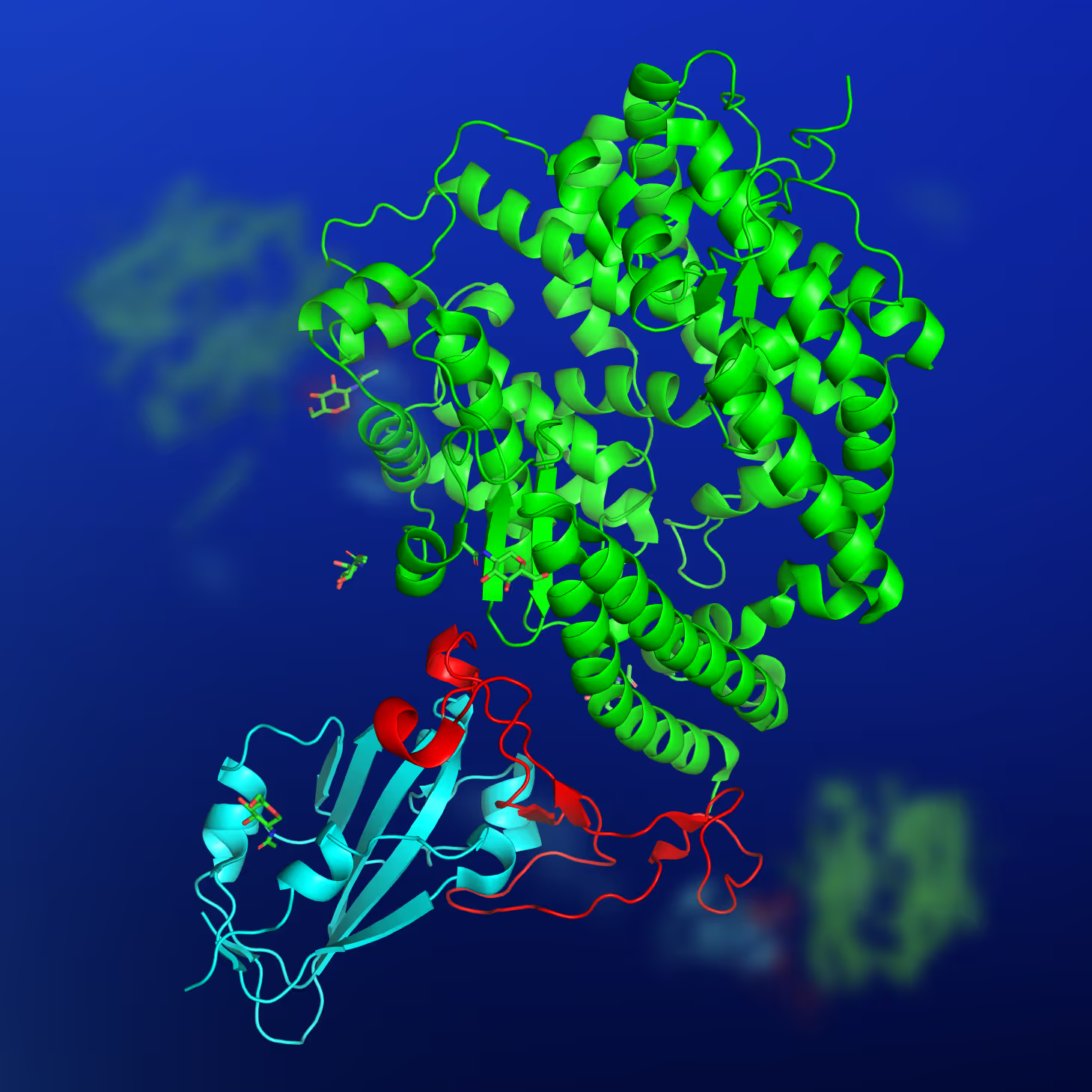
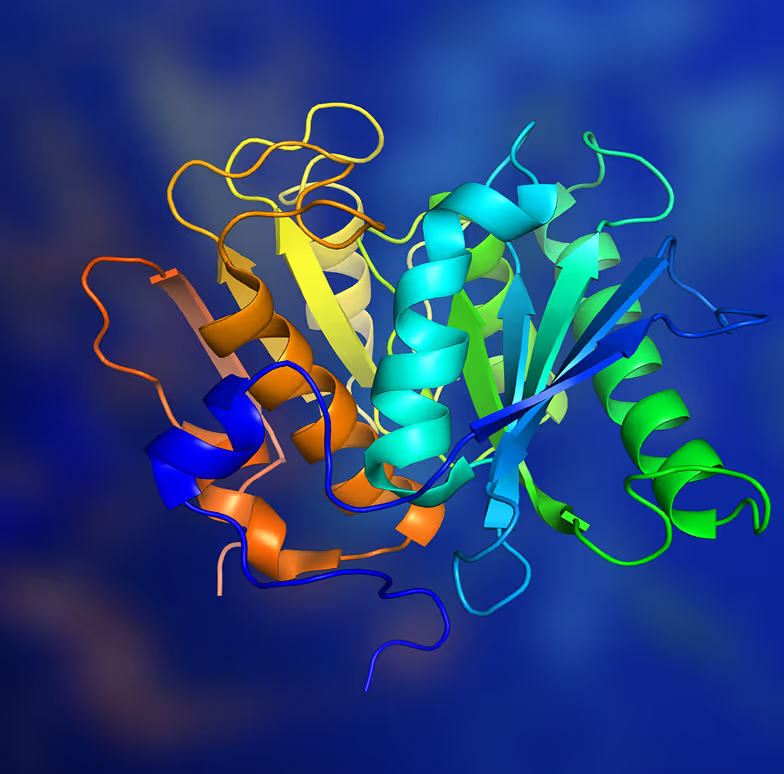
The PILATUS 12M-DLS detector at Diamond Light Source beamline I23 was critical for solving the structure of PETase, an enzyme that breaks down PET plastic. This discovery could help address microplastic pollution and support efforts to clean plastic waste from our oceans.
Zika vaccine research
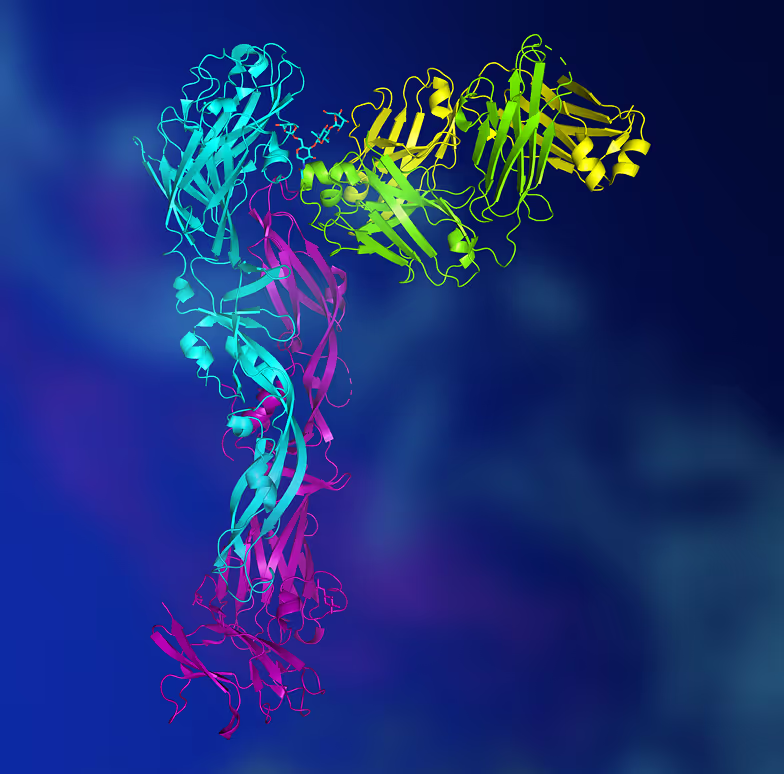
Synchrotron SOLEIL made a breakthrough discovery that advanced Zika vaccine development, using X-ray crystallographic data collected at beamline Proxima-2A with a DECTRIS EIGER X 9M. The Zika virus threatened pregnant women and their babies across South America during the 2016 epidemic.
Our History
10
Founding
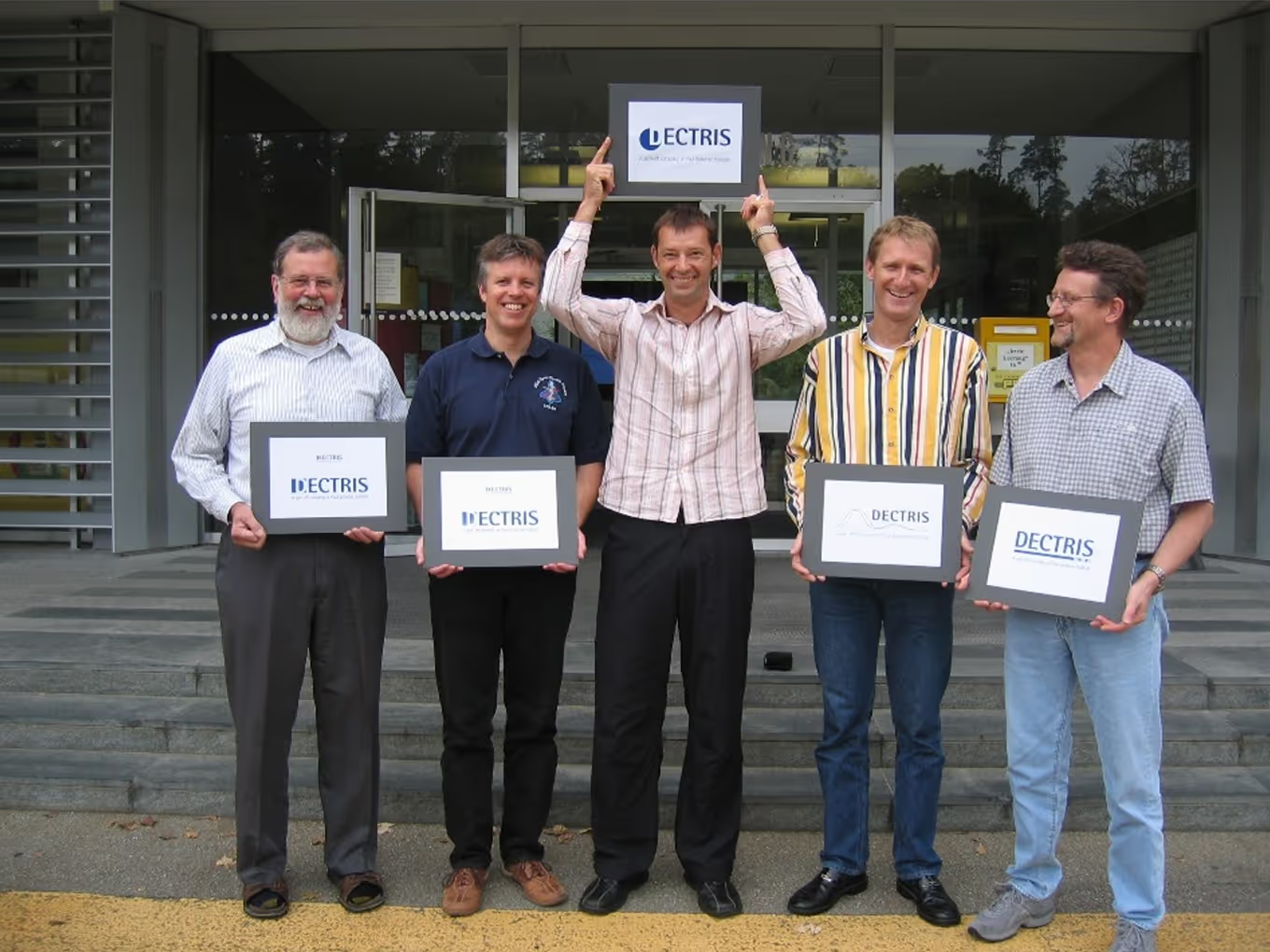
Christian Brönnimann, Eric Eikenberry, Markus Näf, and Petr Salficky found DECTRIS AG in September as a spin-off of Paul Scherrer Institute (PSI).
First PILATUS
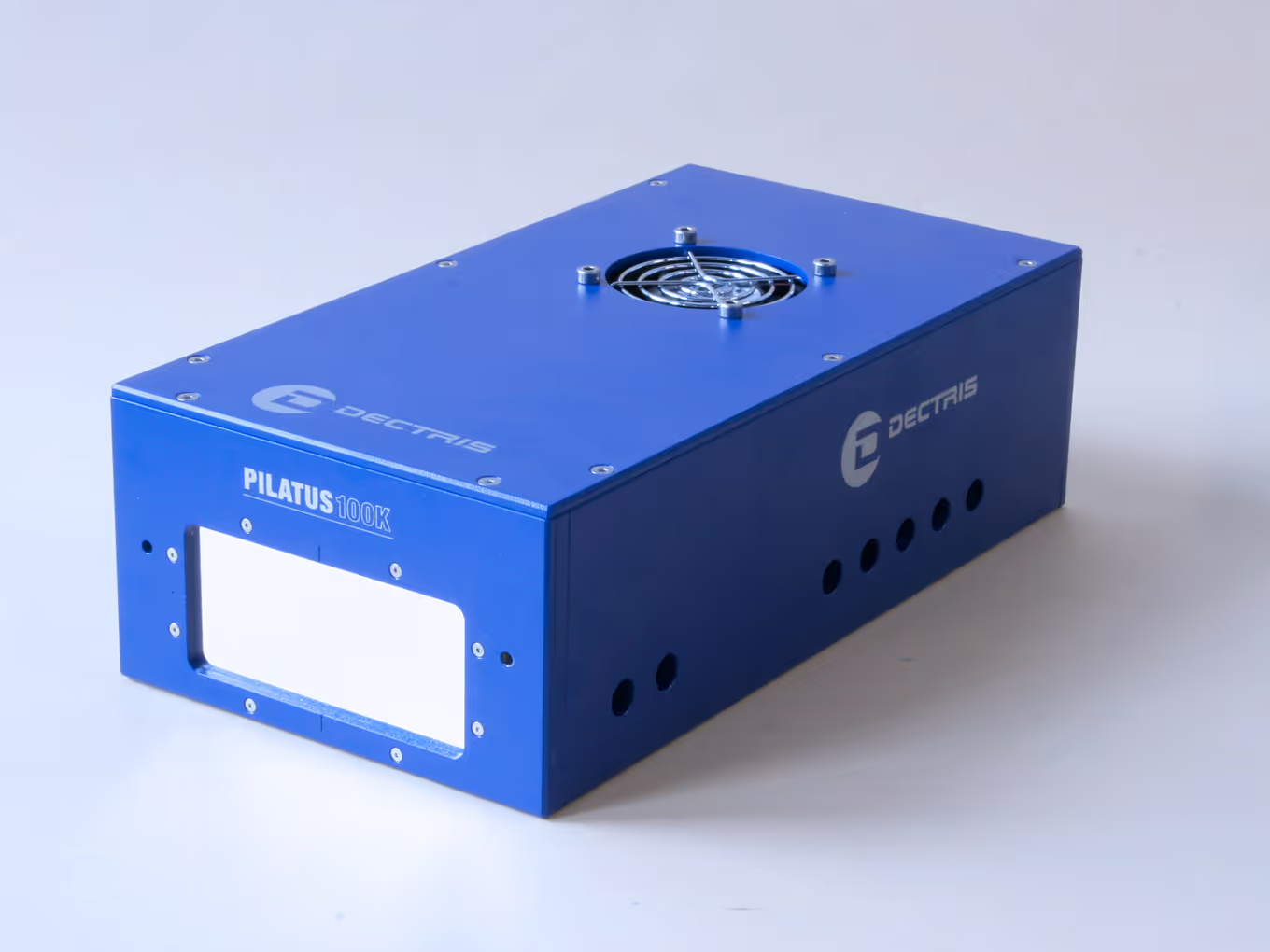
Delivering our very first product, PILATUS 100K, to the University of Chicago.
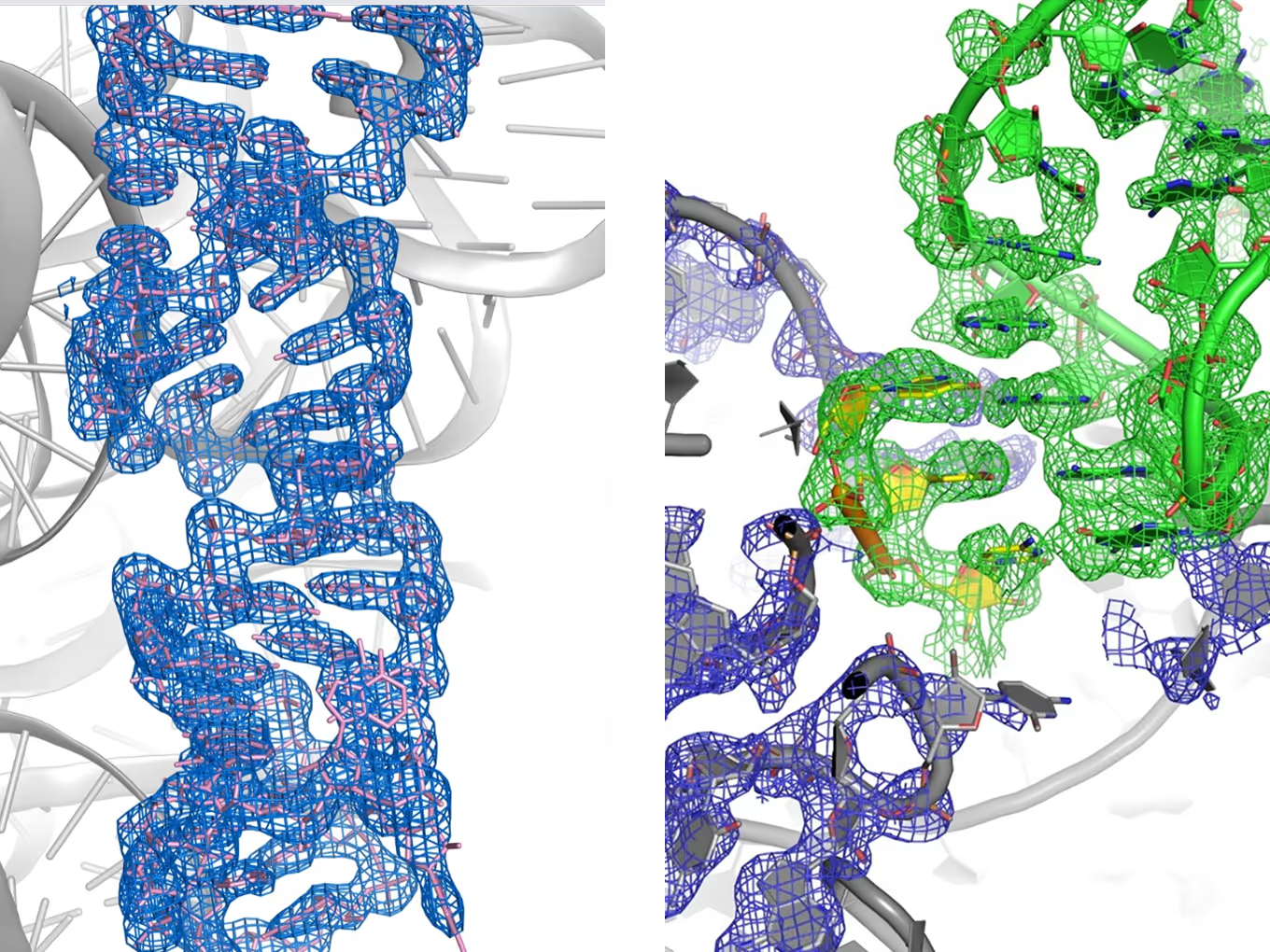
Fine φ-slicing
The first structure is solved using fine φ-slicing with PILATUS 6M, which enables continuous, high-precision data collection with improved signal quality.
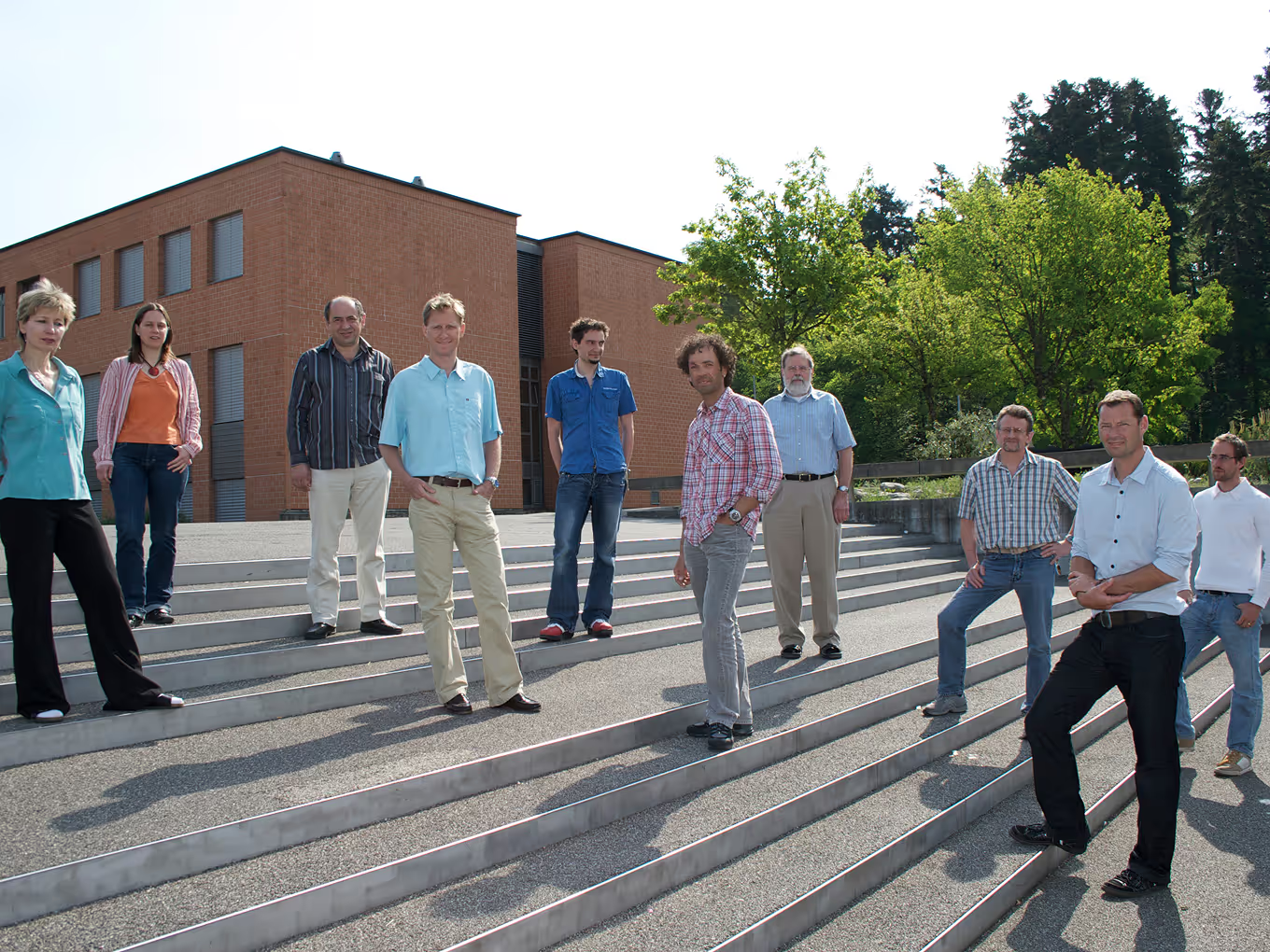
Industrial production
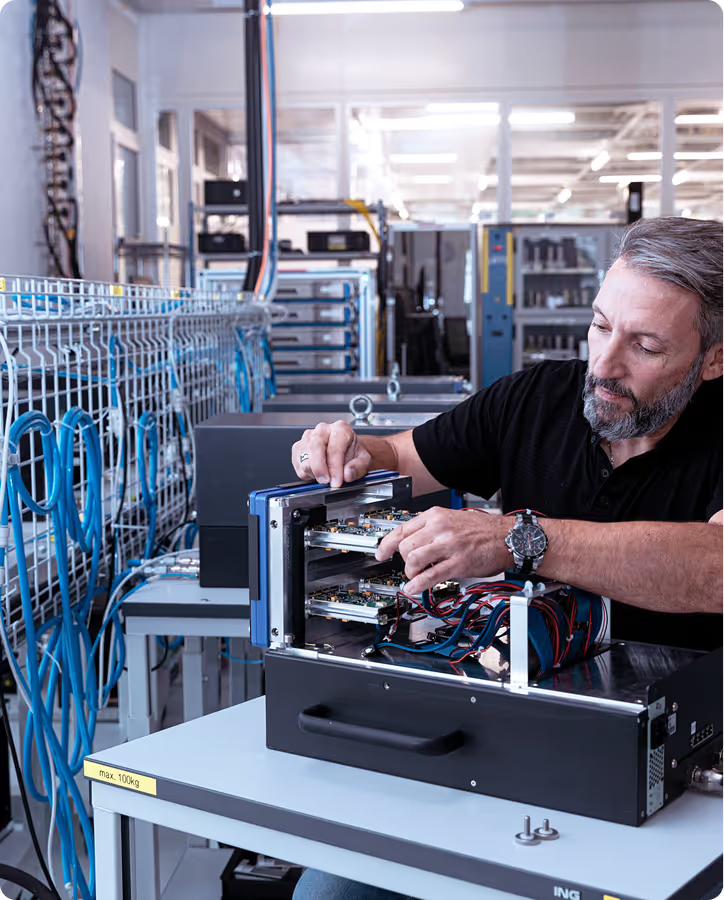
Moving from PSI to our first independent space in Baden, where we could set up dedicated production facilities.
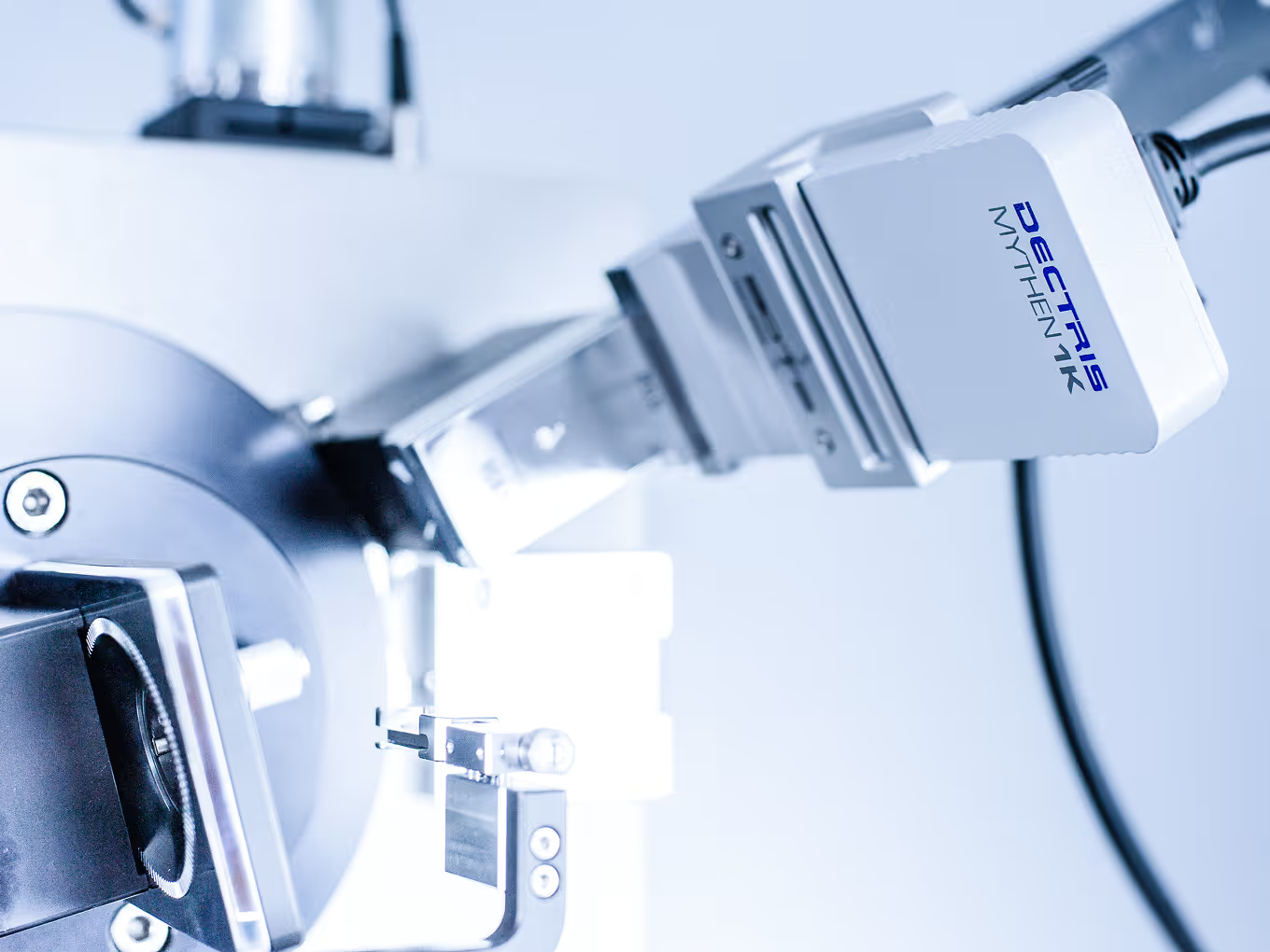
MYTHEN
Launching MYTHEN, a compact strip detector particularly suited for powder diffraction experiments at laboratory diffractometers and synchrotron beamlines.
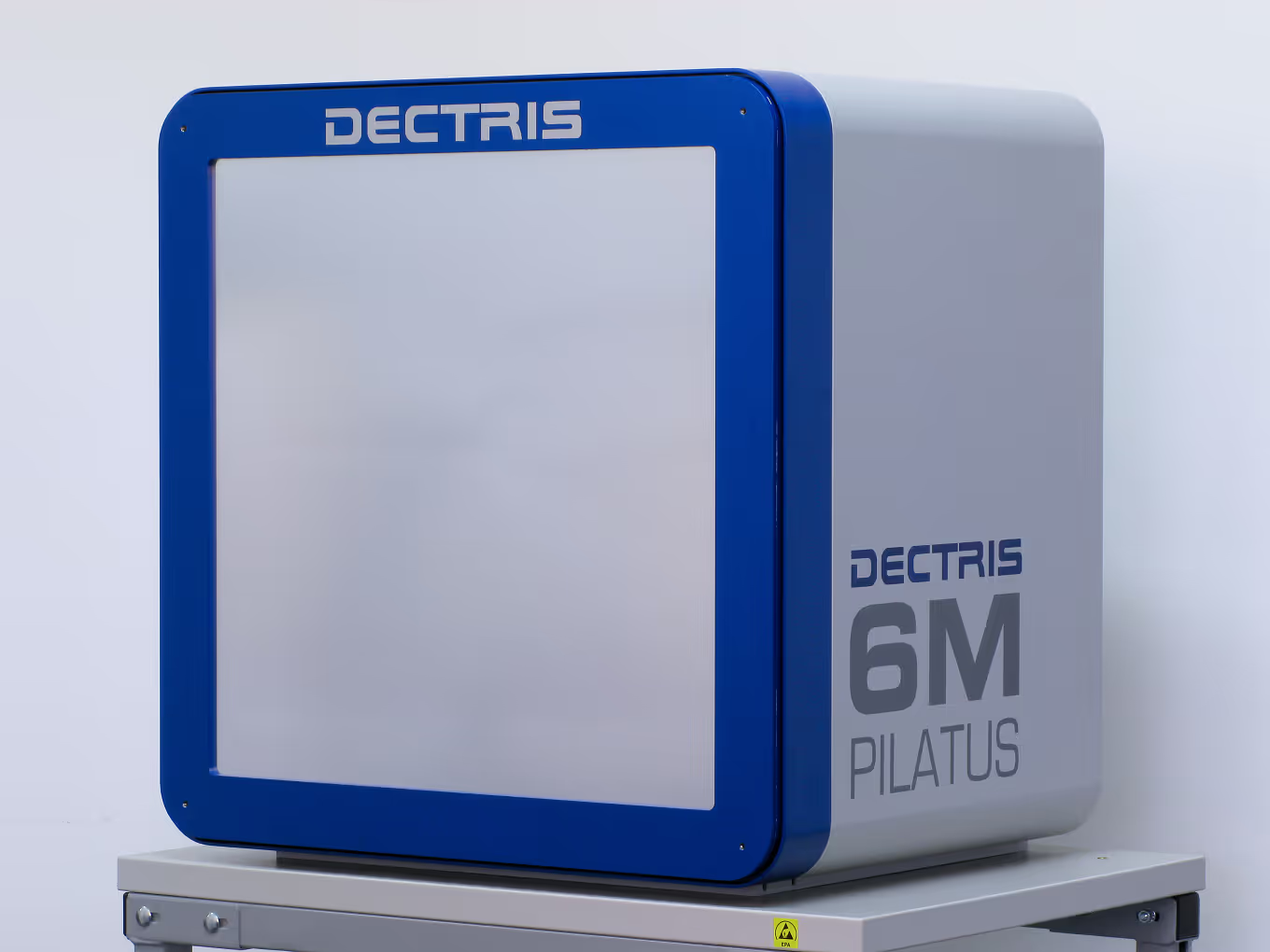
PILATUS 6M
Launching our largest detector yet, proving we could build and reliably operate big systems at customer sites.
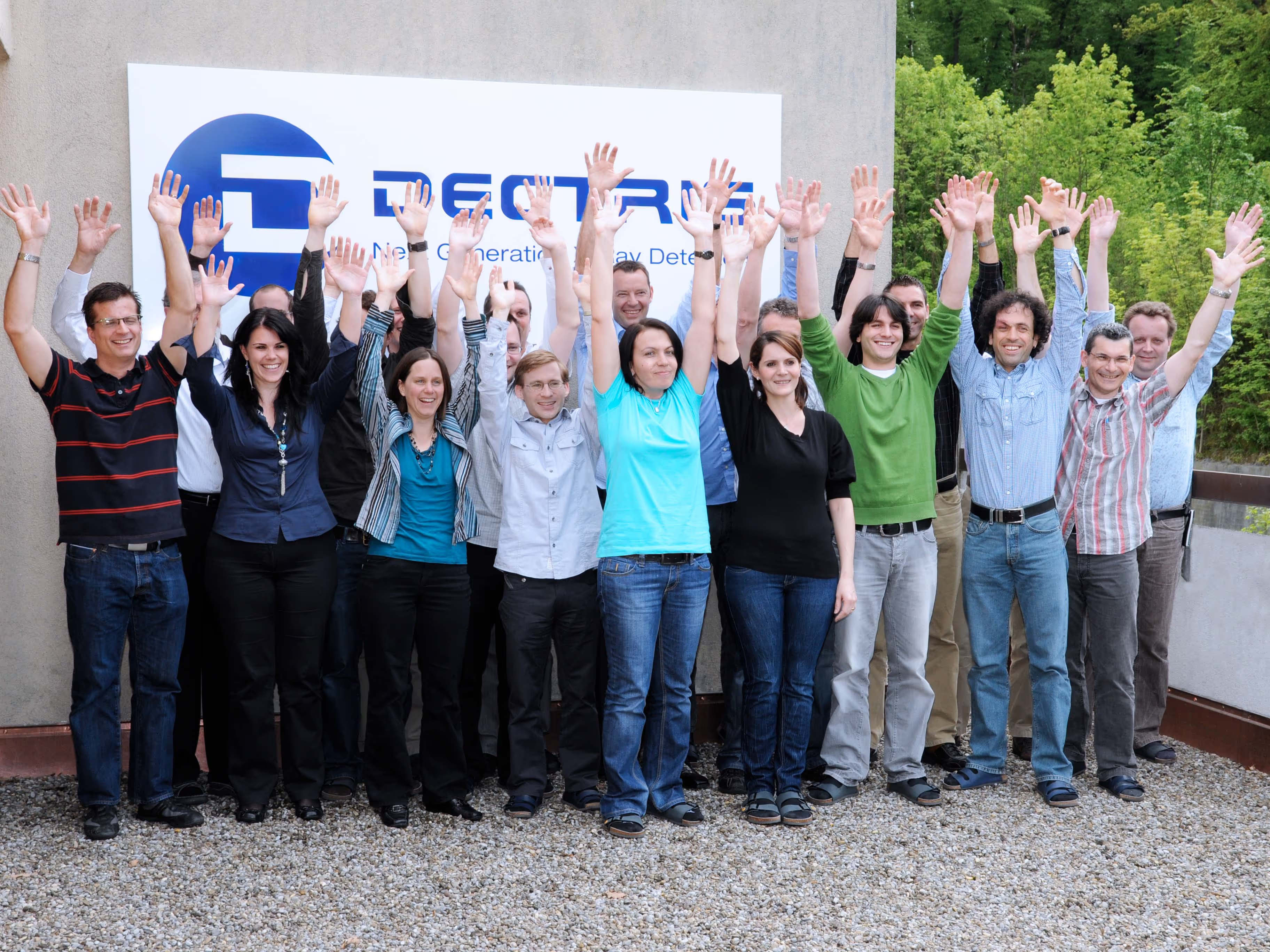
SEF Award
Winning the Swiss Economic Award, the leading national award for outstanding start-ups by the Swiss Economic Forum.
15
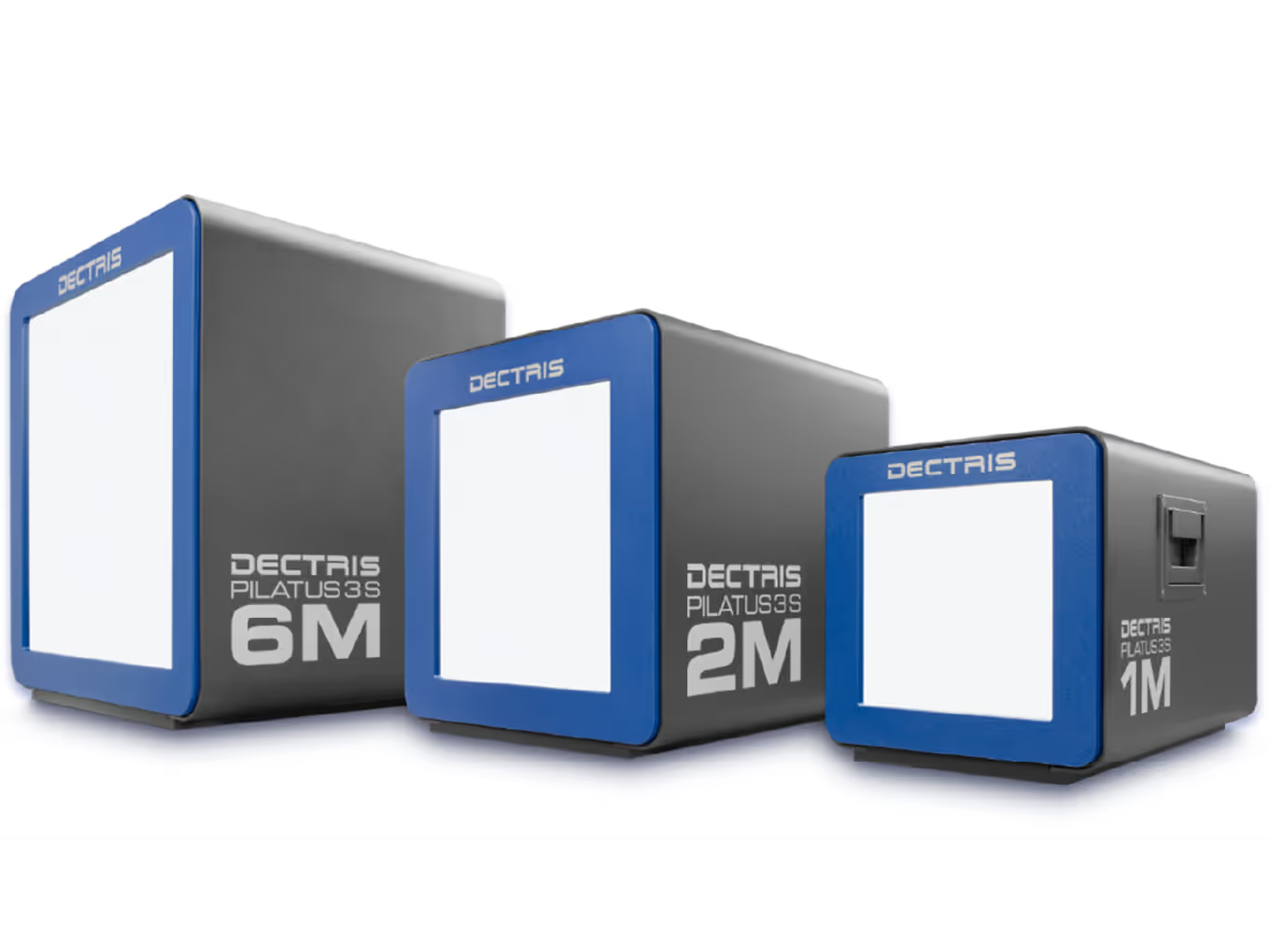
PILATUS3
Launching the first detector entirely developed by DECTRIS, and a gamechanger in terms of speed.
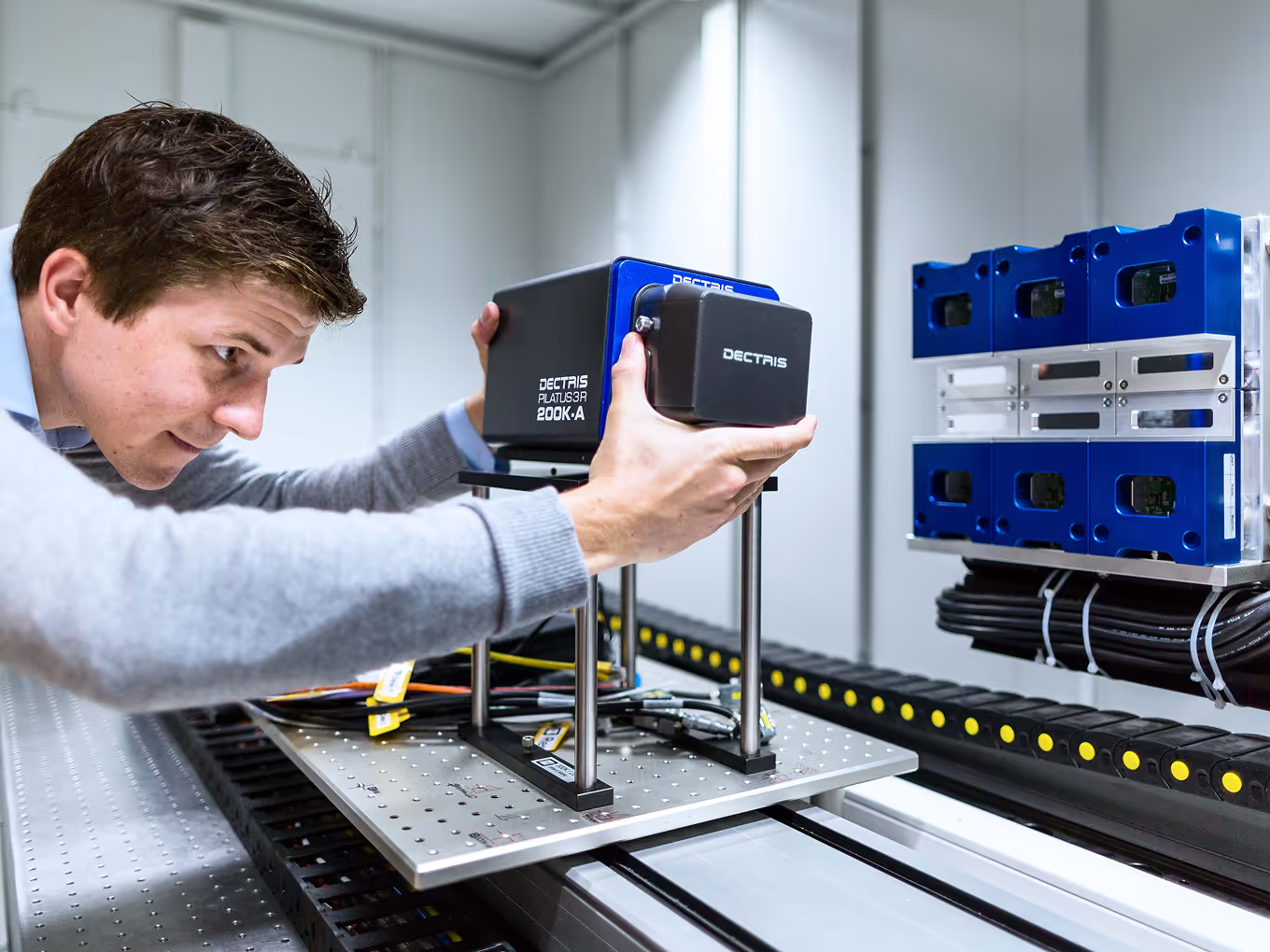
First laboratory tool
Launching our first product dedicated to laboratory use, PILATUS3 200K.
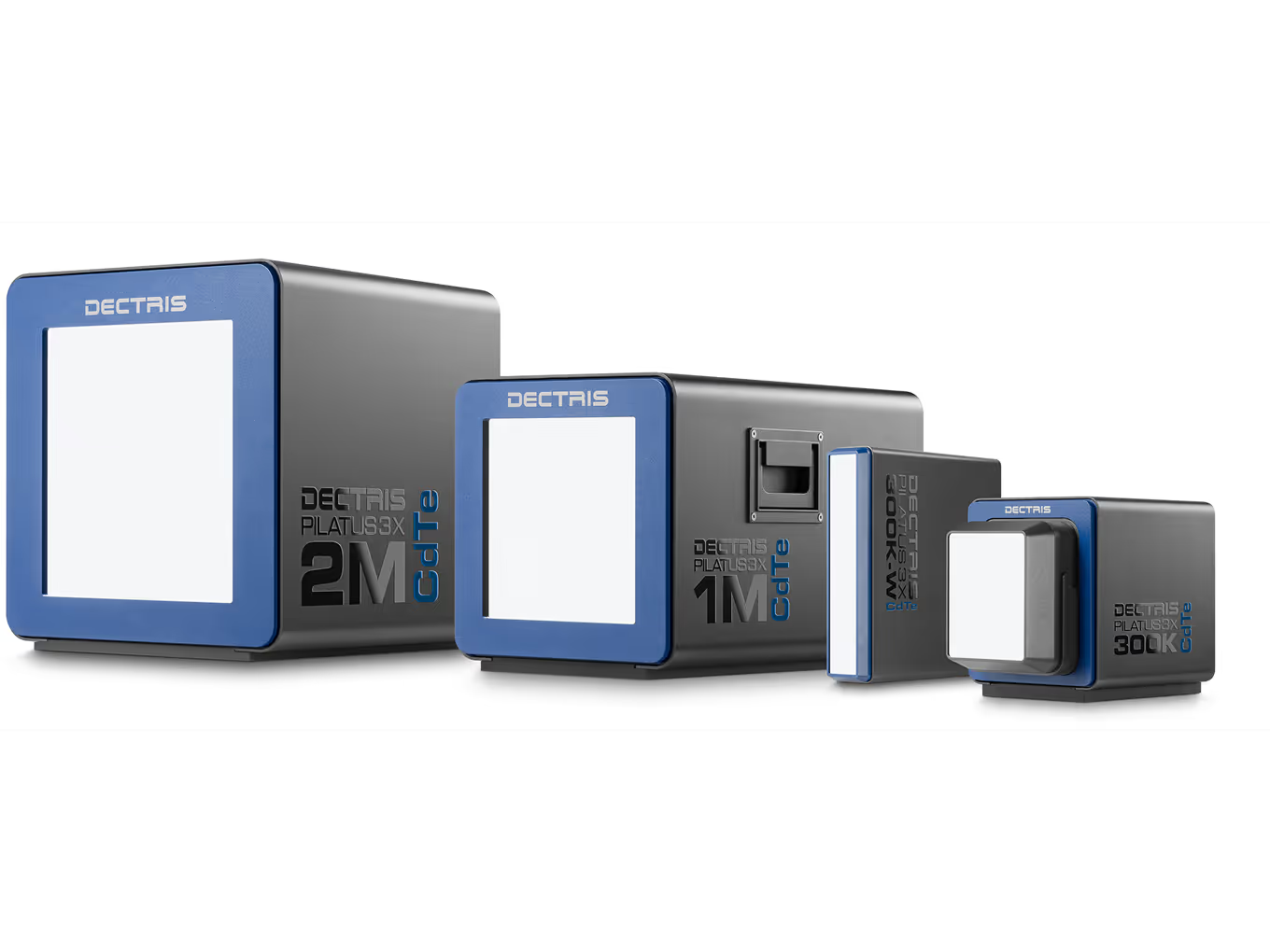
CdTe detectors
Launching the first series for higher X-ray energies, PILATUS3 CdTe with cadmium telluride sensors.
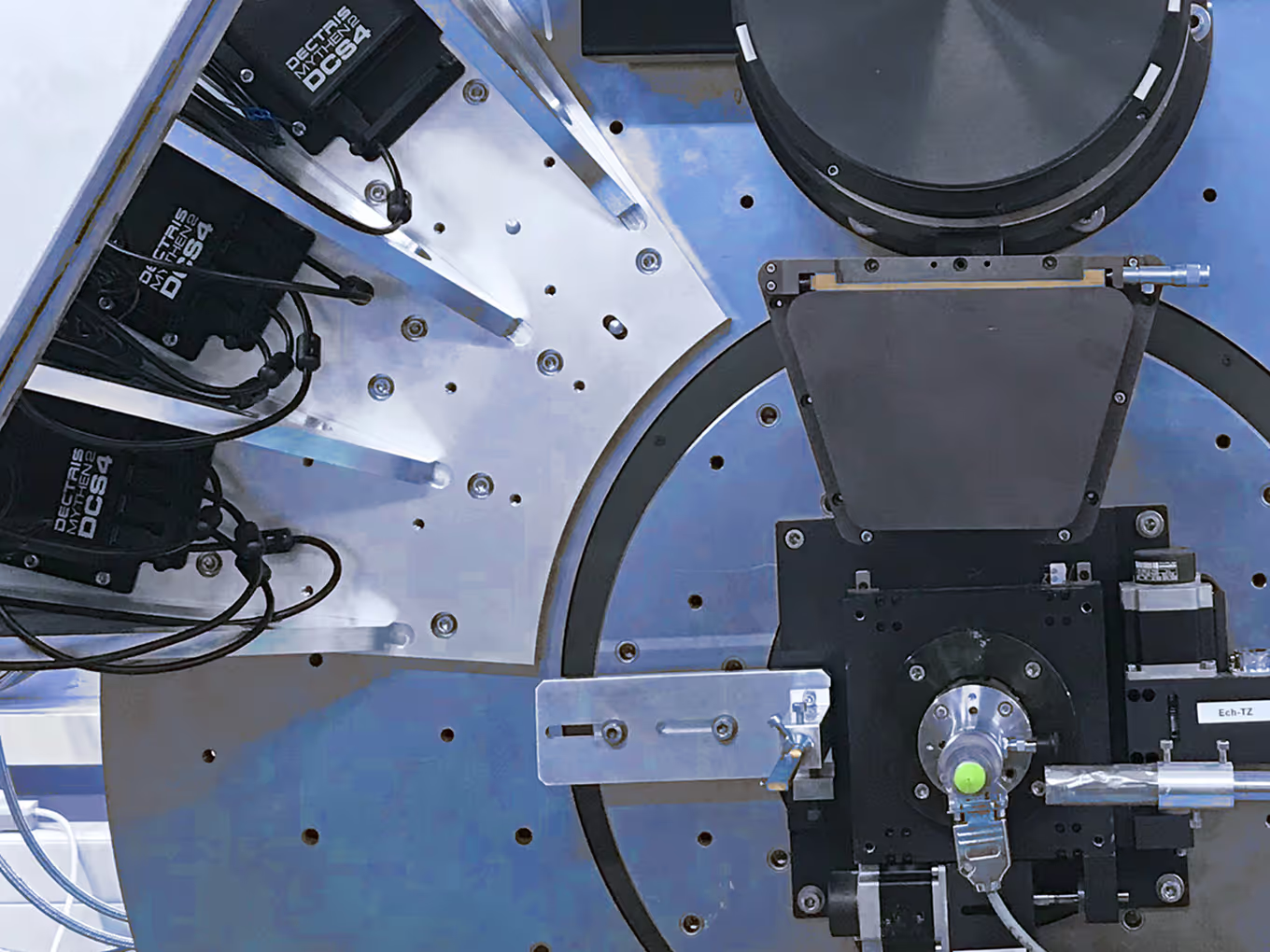
MYTHEN2
The second generation makes high-speed, high-resolution powder diffraction practical in both synchrotrons and laboratories.
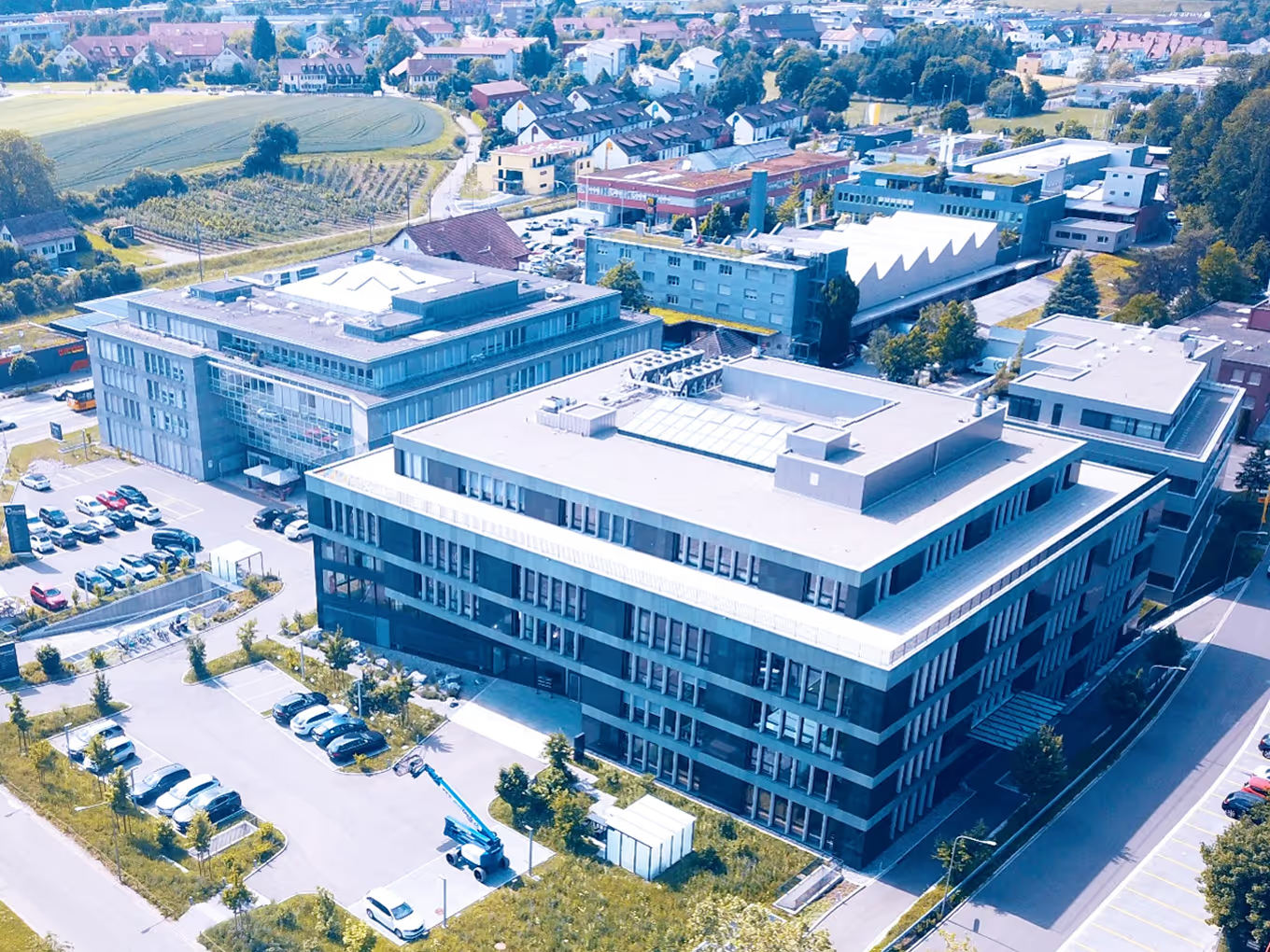
High-end facilities
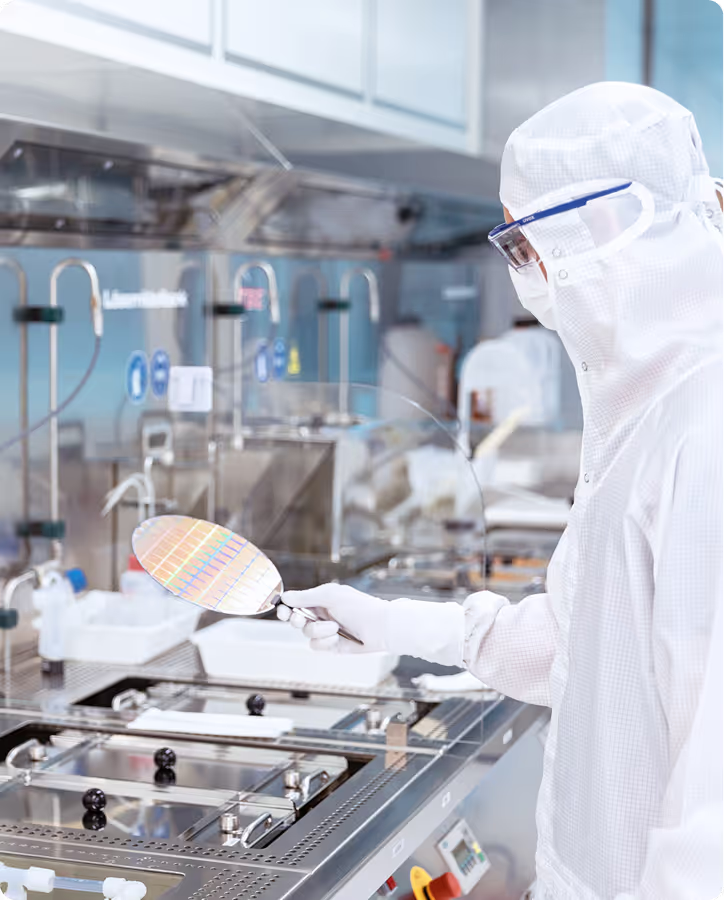
Moving to Täfernhof with custom-built high-end facilities, including a 800 m2 cleanroom and a 1,900 m2 assembly and production area.
21
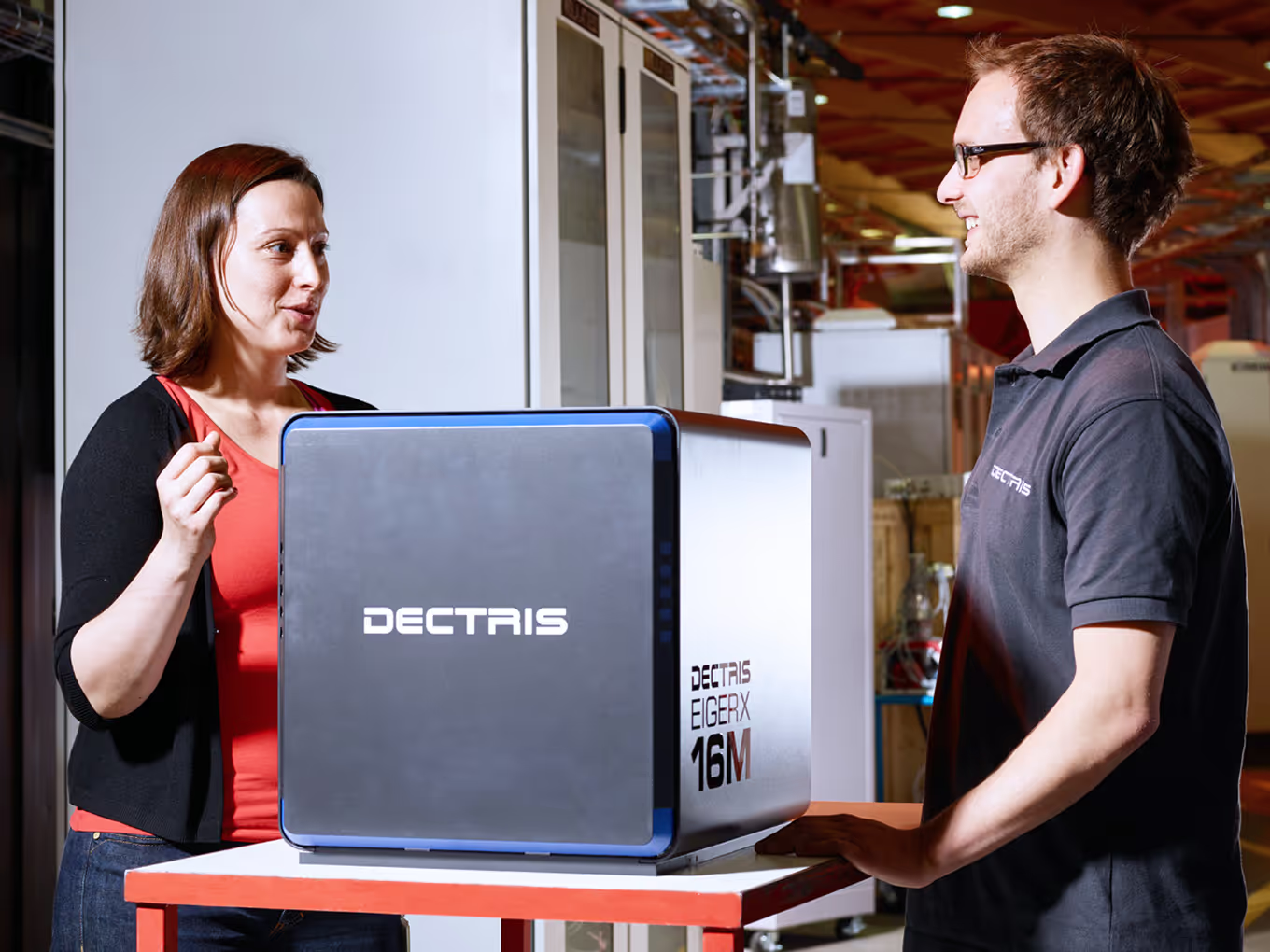
>300 systems
We have built and shipped over 300 detector systems worldwide.

ISO 9001:2015
Achieving the ISO 9001:2015 certification, demonstrating consistent product quality and reliable delivery to customers.

DECTRIS USA
Opening our first subsidiary in the United States to offer faster support for our customers in the Americas.We have built and shipped over 300 detector systems worldwide.
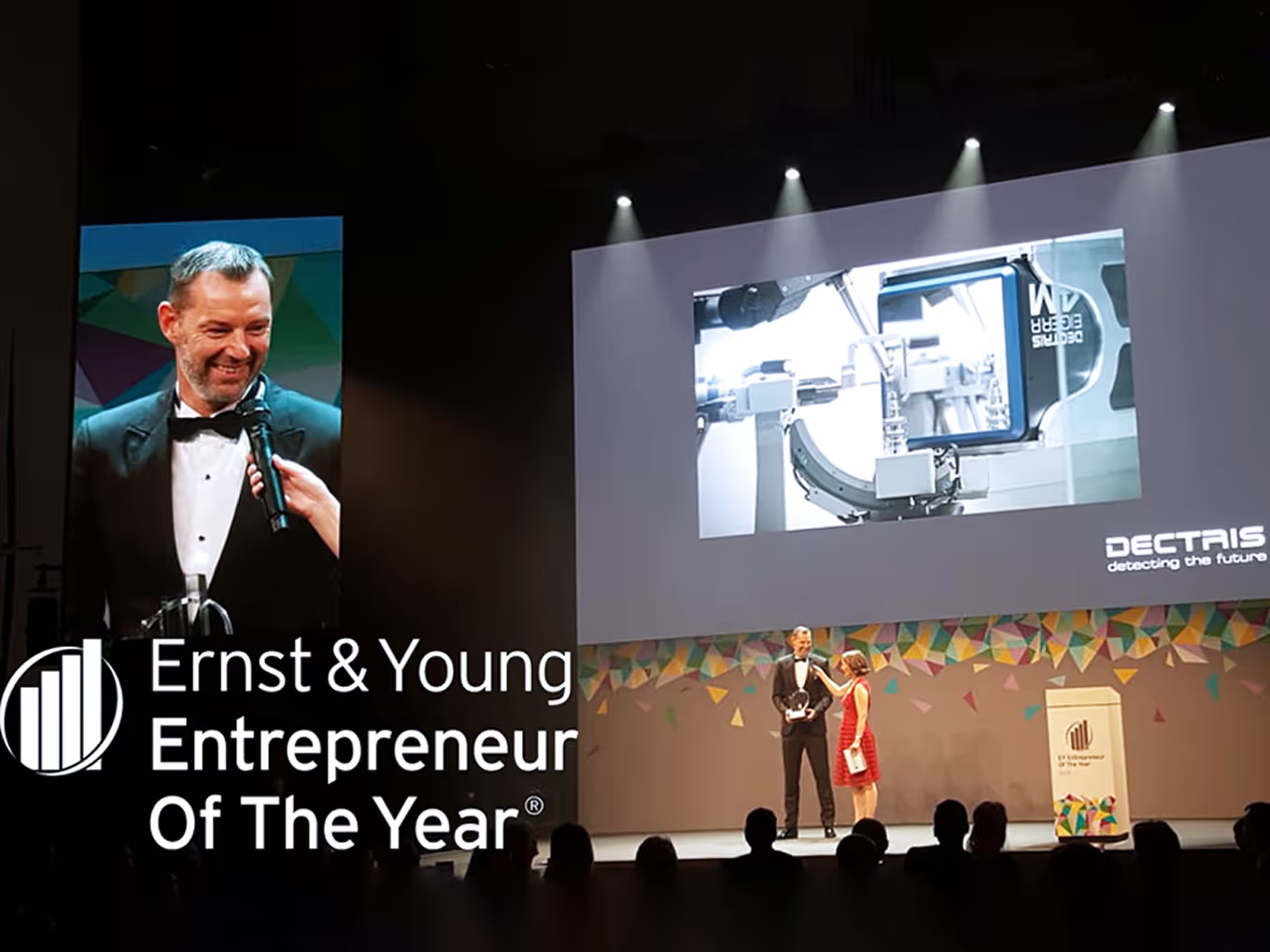
EY Entrepreneur of the Year Award
Christian Brönnimann wins the national award for a visionary leader of a high-growth business.
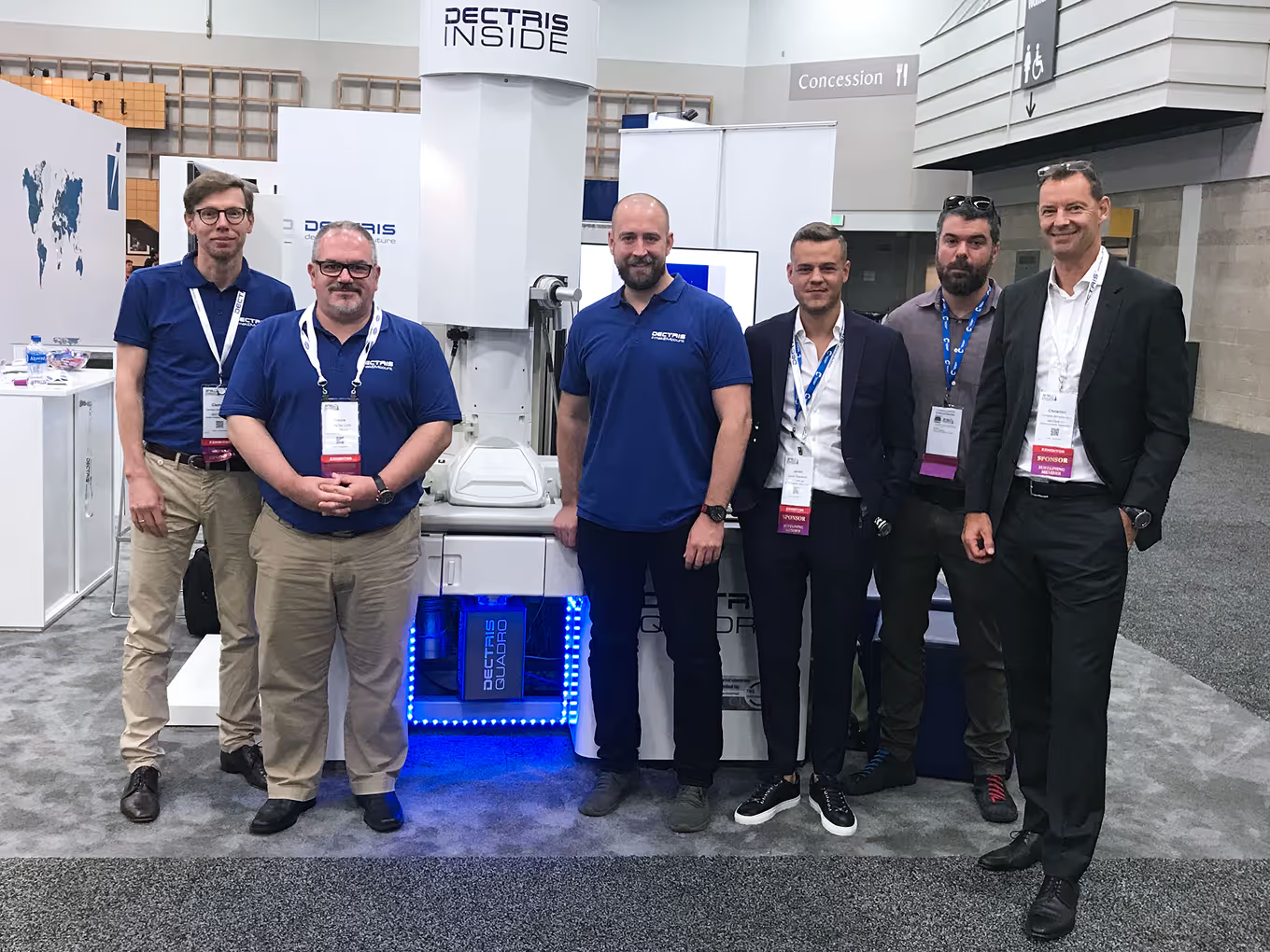
First EM tools
Launching our first Electron Microscopy cameras, ELA and QUADRO, enabling faster and more precise measurements through hybrid-pixel technology.
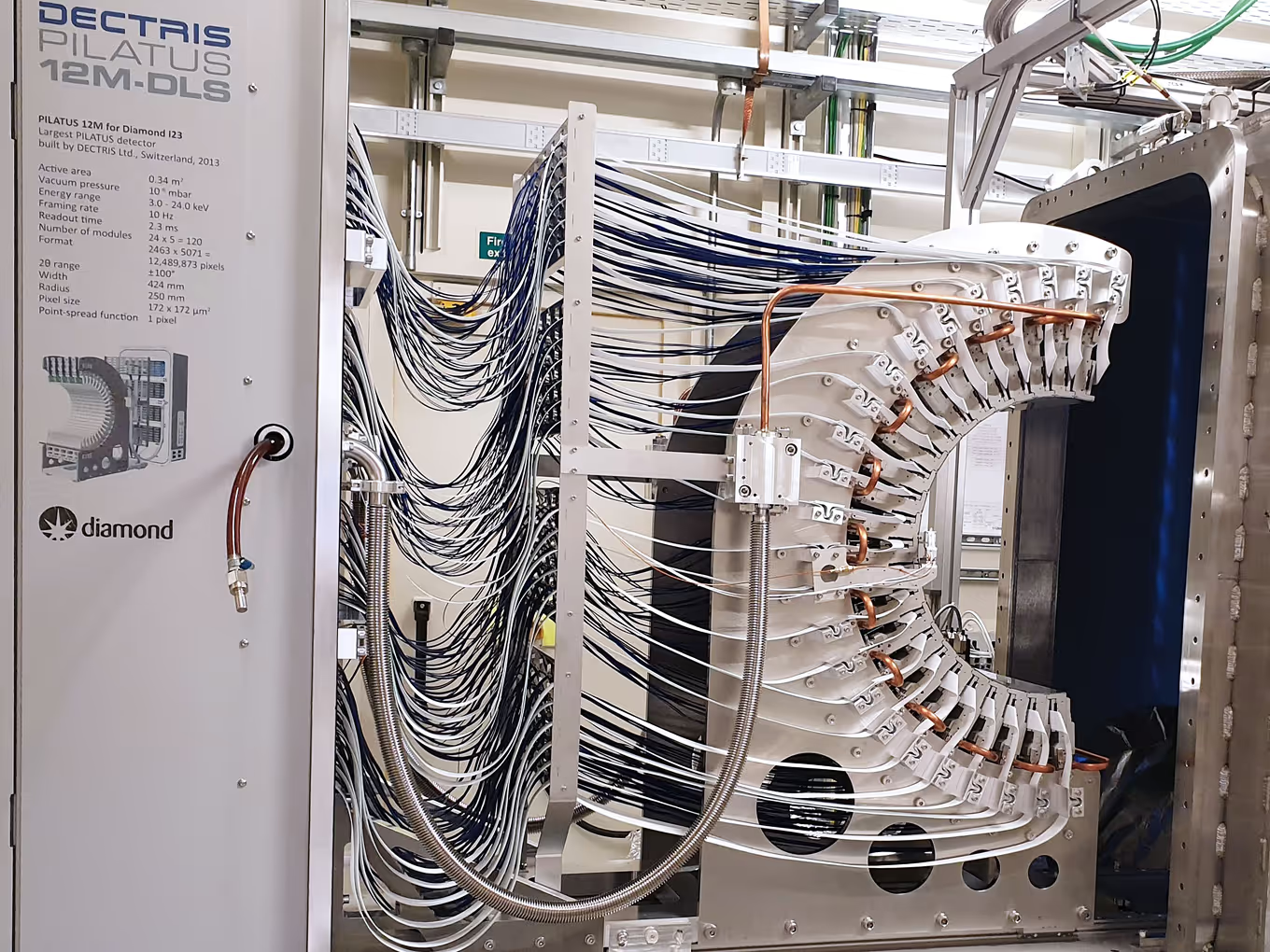
100 Custom-made X-ray detectors
We have delivered the 100th custom solution in our series of detectors designed to meet individual customer requirements.

DECTRIS Japan
Opening our second subsidiary in Japan for faster support for customers in Asia – and now we can offer 24h remote support coverage to everyone.
26
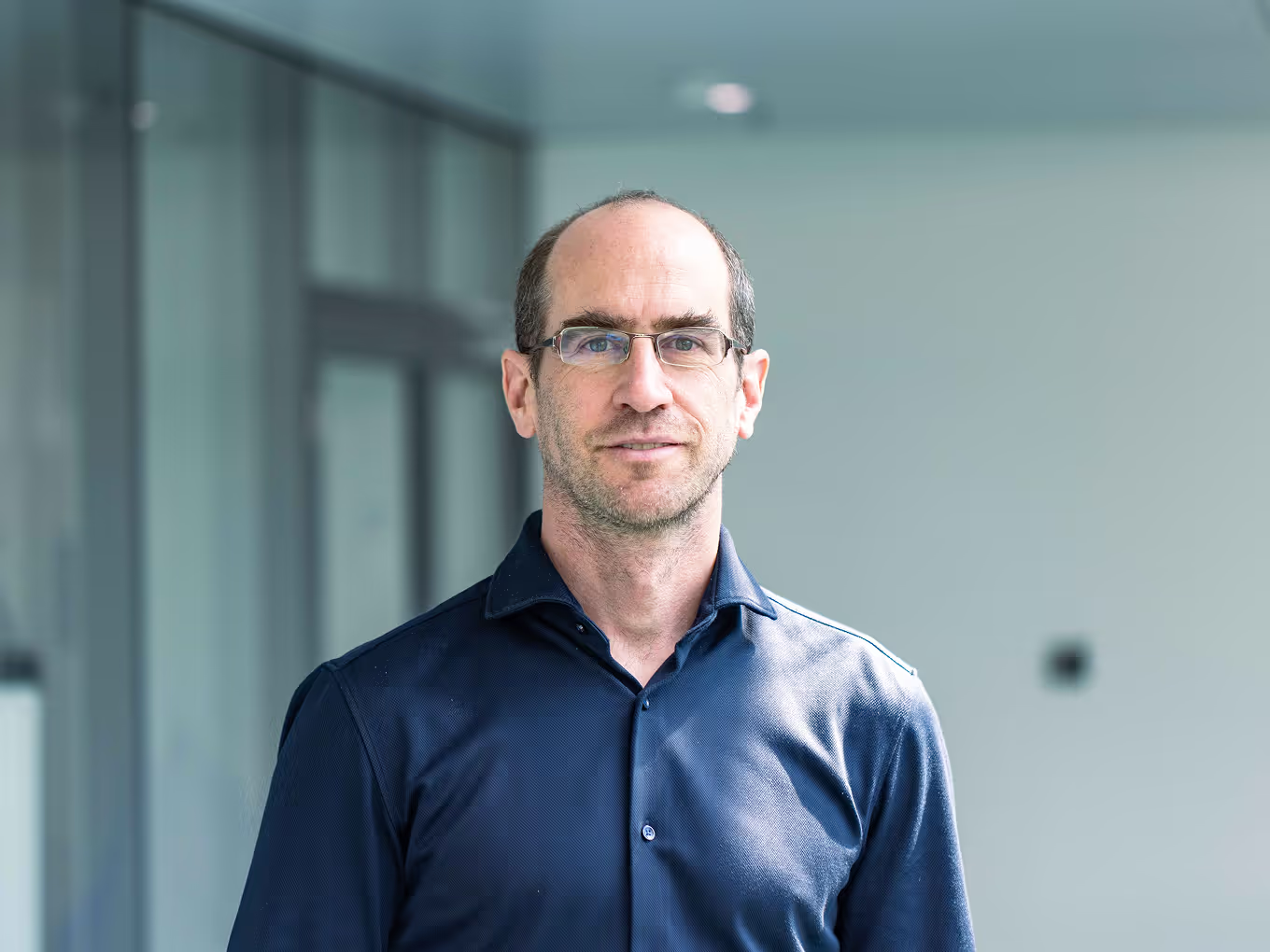
New CEO
Matthias Schneebeli becomes the new CEO and strengthens the organization to better respond to customer needs and accelerate innovation.
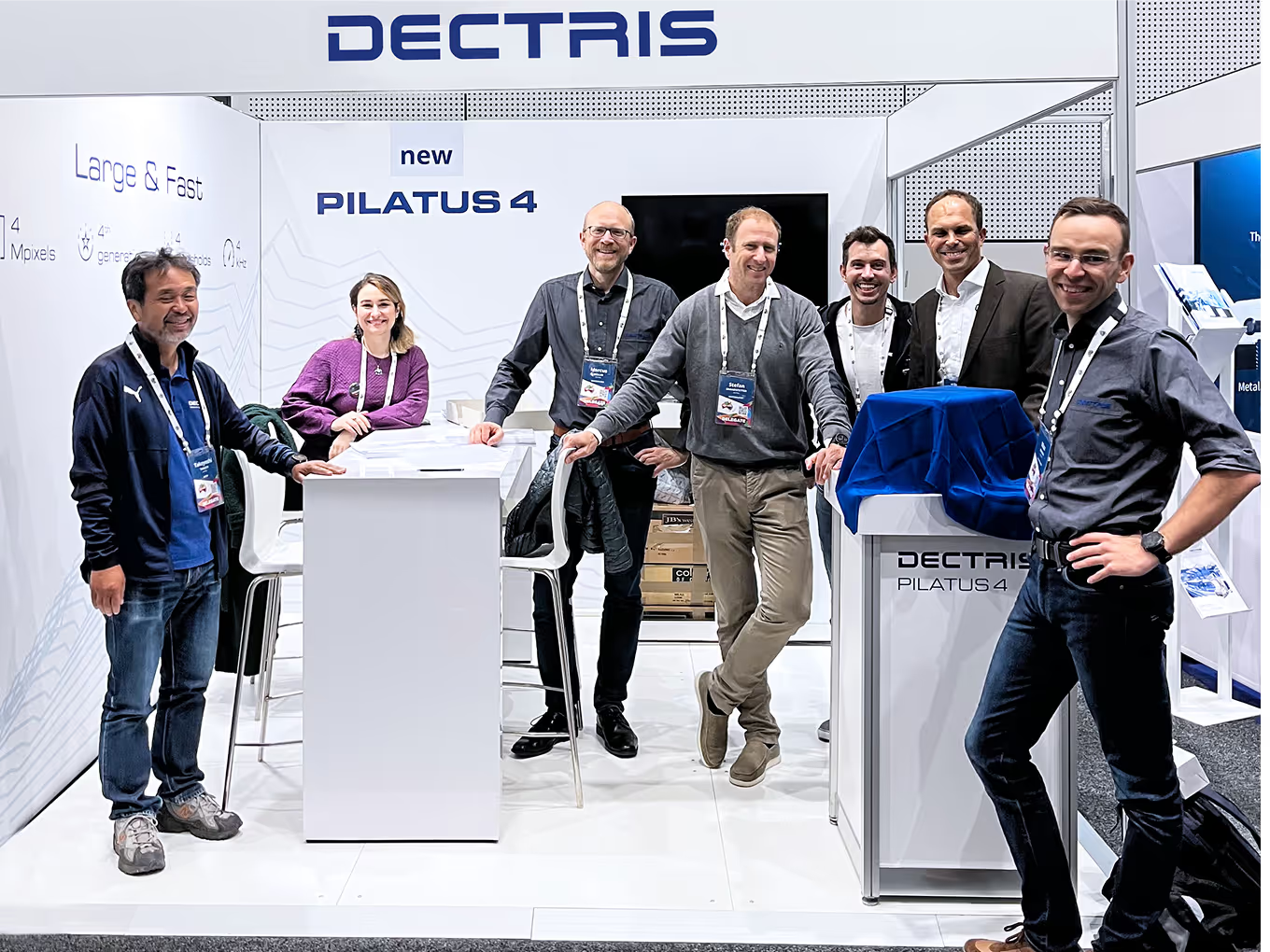
PILATUS4
Offering faster, dead-time-free data collection for particularly demanding synchrotron and laboratory experiments.
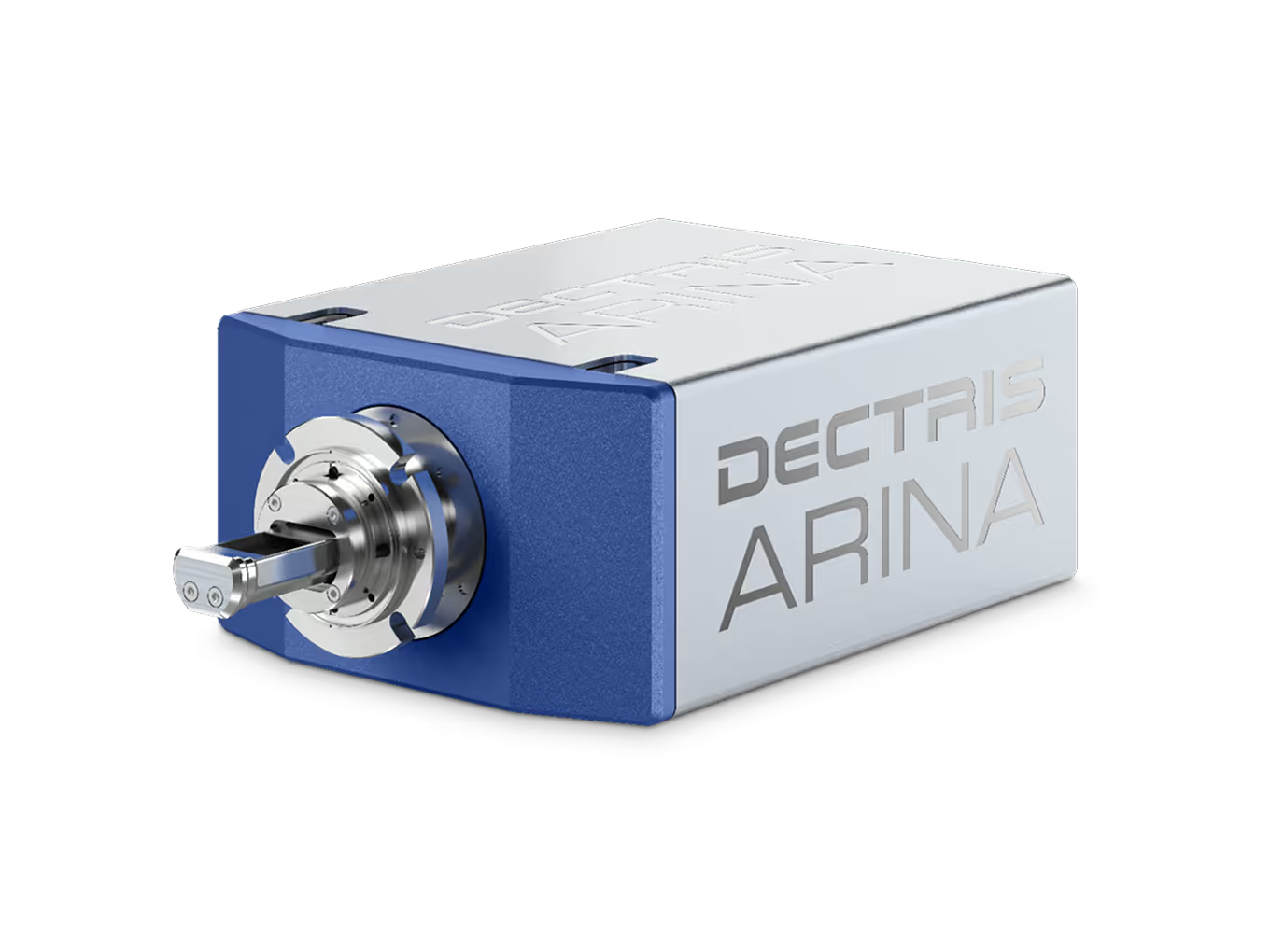
ARINA
Launching the world’s fastest camera for Electron Microscopy.
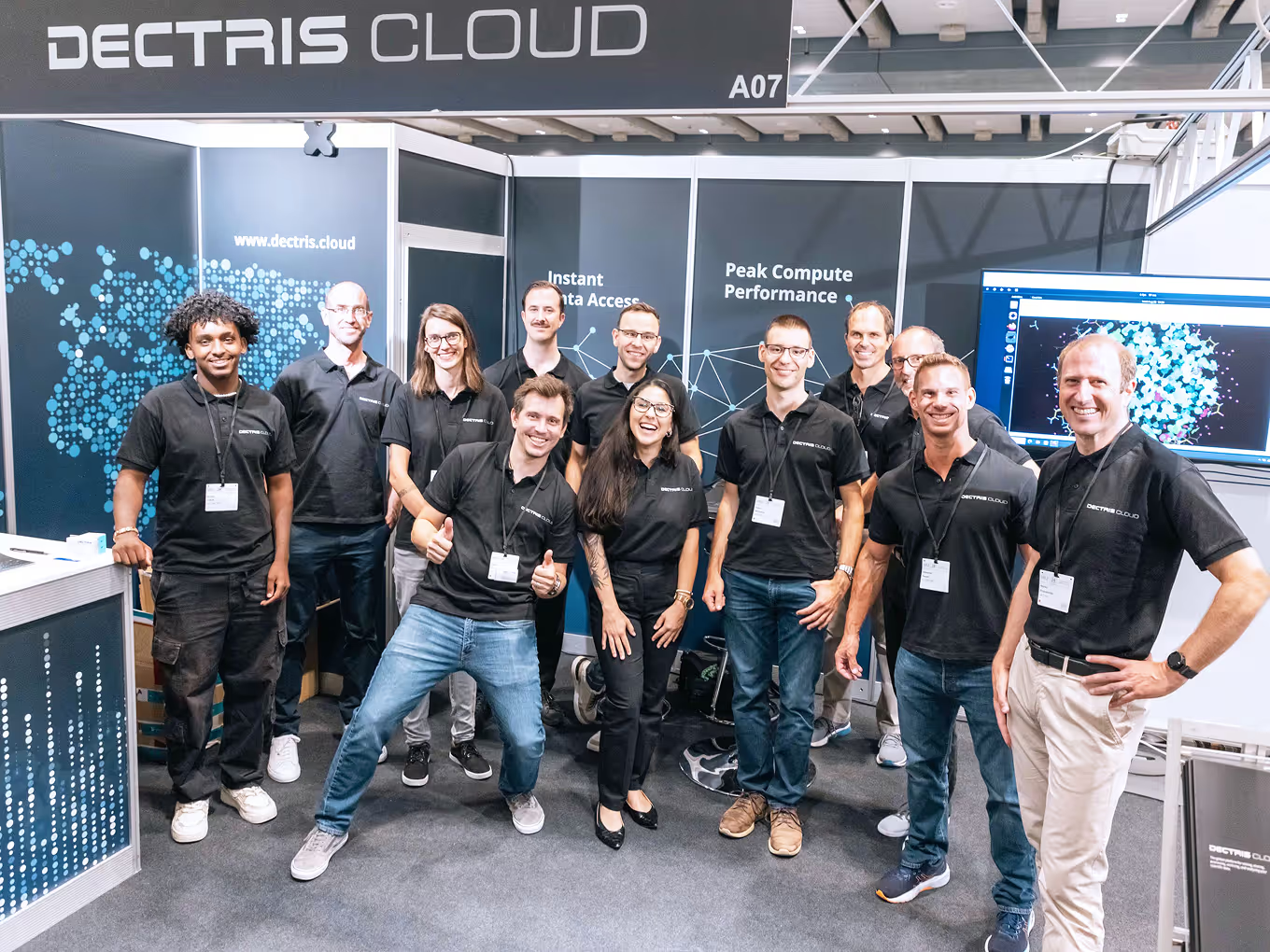
Integrated Data Solutions
Launching the DECTRIS CLOUD platform for managing and processing detector data.
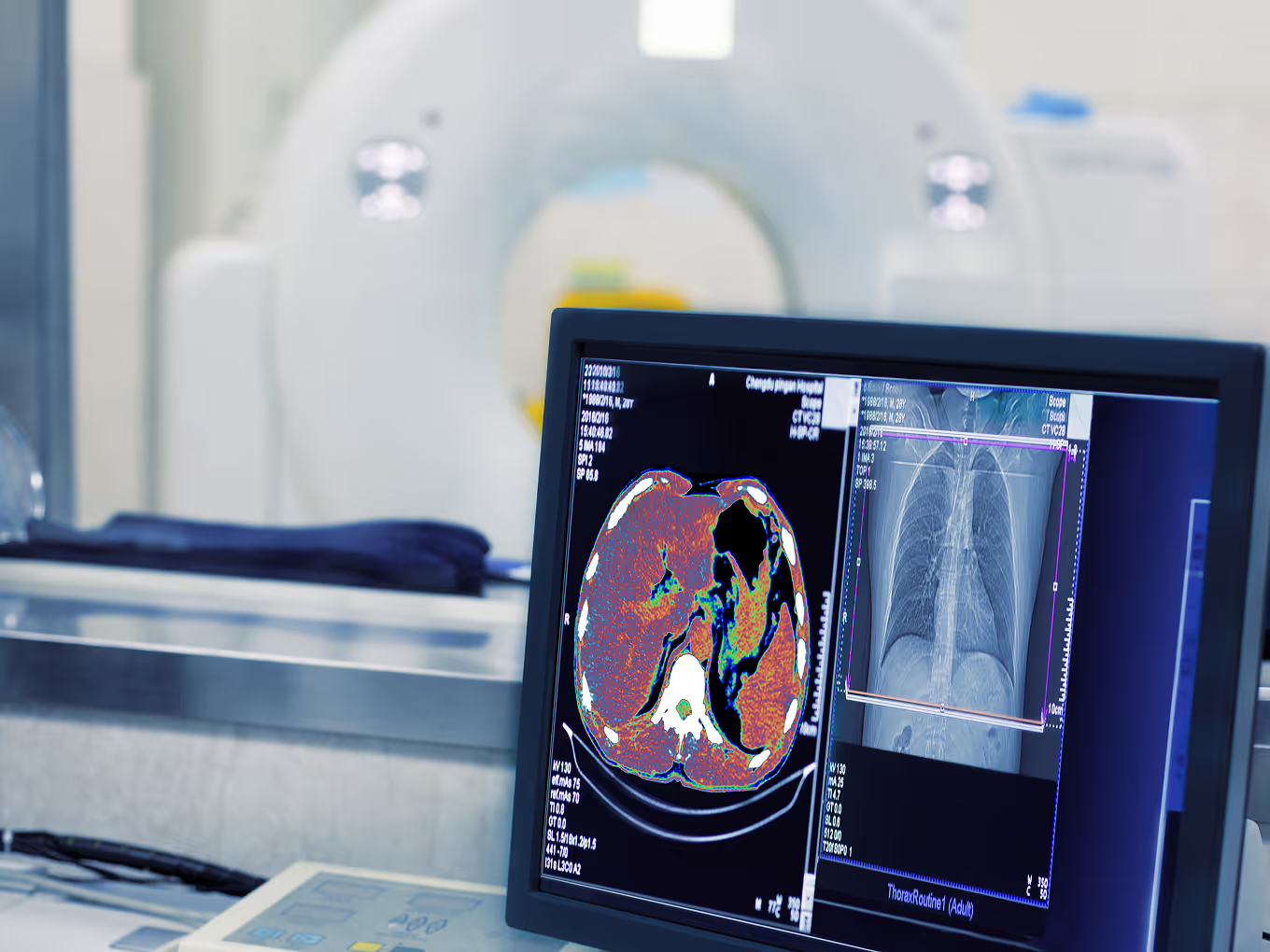
Medical CT
Turning our research venture into a business unit to improve image quality and reduce dose in human CT imaging with photon-counting.
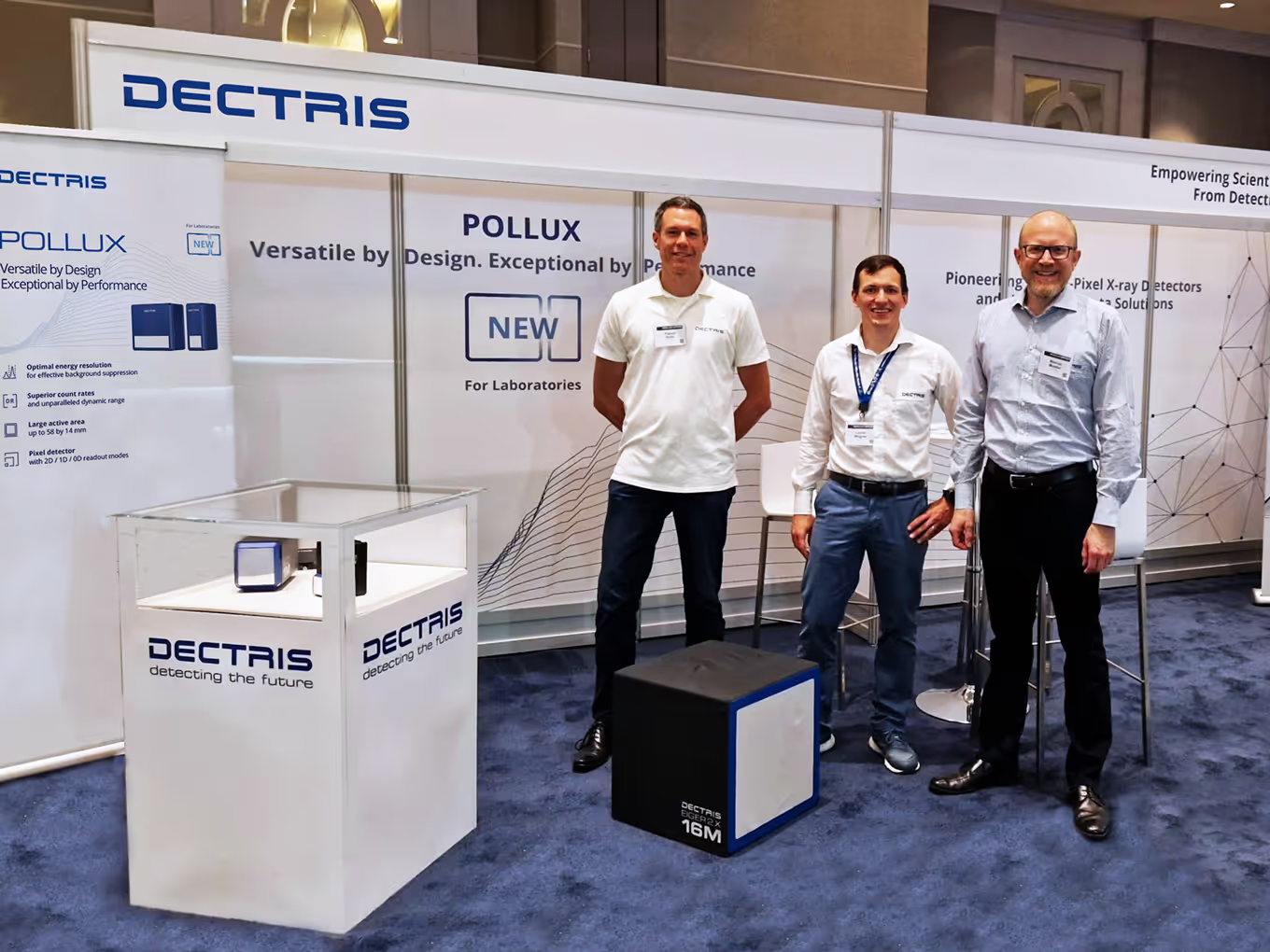
POLLUX
Launching our most versatile laboratory detector family yet, enabling a wide range of advanced applications with a single system.


How We Work

About Us
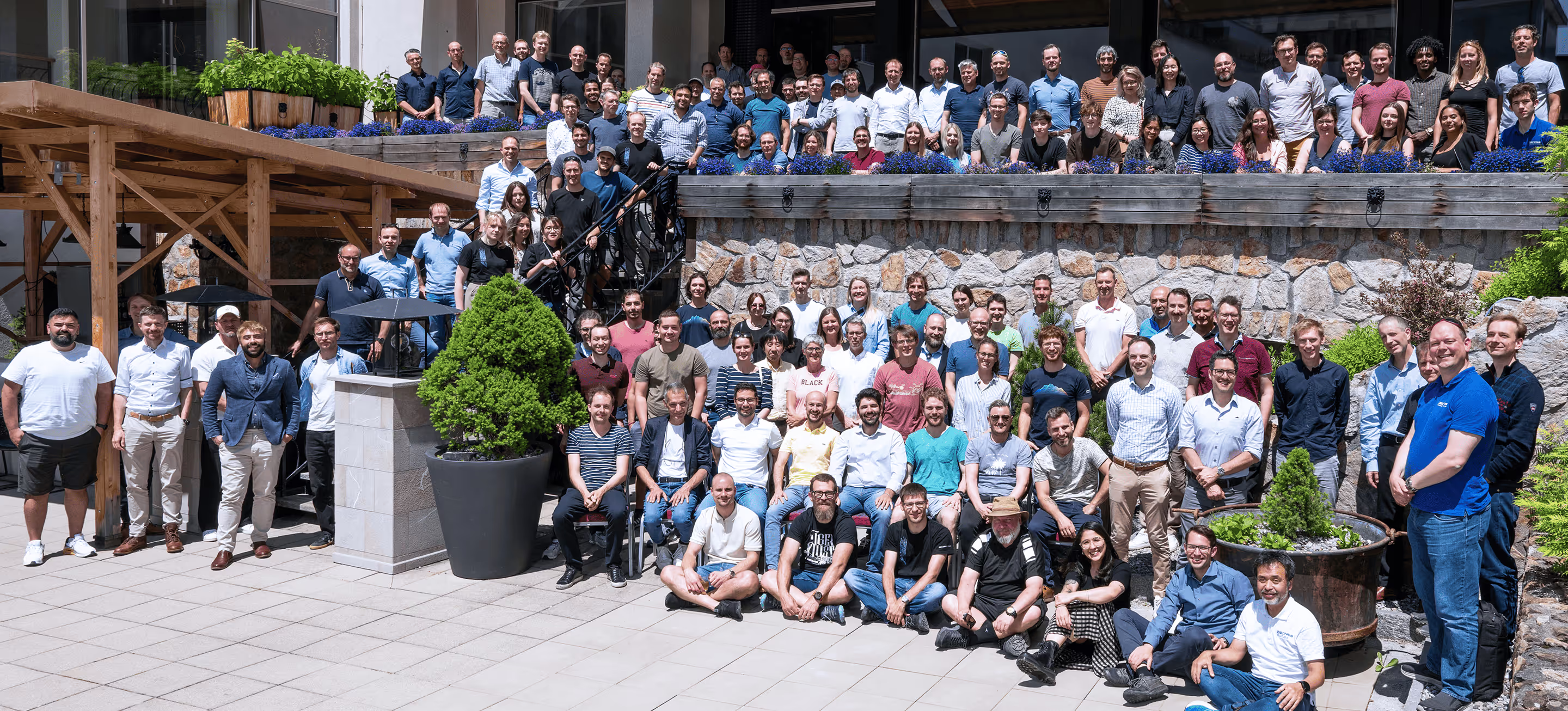
~200
employees
>30%
hold a Ph.D.
>65%
employees with a technical college or university degree


Headquartered in Switzerland

Subsidiaries in
the United States and Japan

Distributors in China, India,
South Korea and Taiwan